Revisiting that warming-driven, 1,578 ft high Alaska mega tsunami
As spring begins in the northern hemisphere, two stunning climate events are hardly getting through the headlines of war. While none of the events described are proof of the global climate emergency in and of themselves, the fact that they are happening simultaneously is powerful evidence that us hard to dismiss. The speed and scale of the global disaster is unprecedented in millions of years
human-driven warming has increased the frequency and intensity of abrupt ocean temperature jumps by 130-140% across the world’s largest marine ecosystems. | Seven of the top 11 highest-volume precipitation events over the past 77 years have occurred just in the past 10 years | The global sea-surface temperature hit a preliminary record daily high May 6 2026, beating the previous record daily high set in 2024? Extreme heat is threatening the world’s food systems, with farmers unable to work outside, livestock experiencing stress and crop yields falling, putting the livelihoods of more than a billion people in peril | Arctic sea ice extent sets a new low record | Another exceptional heat wave in the Sahel, it’s one after another. Maximum Temperatures up to 111.2°F | Fourteen states have set all-time March heat records, and the U.S.-wide record was tied or beaten on four consecutive days | The WMO’s 2025 climate report confirms the hottest eleven years on record, record ocean heat content, accelerating sea-level rise, and greenhouse gas concentrations at their highest in 800,000 years | Canary Islands are being pummeled by torrential rains and flooding as Storm Therese has created a state of emergency. | With snowpack melting weeks early, the critical Lake Powell reservoir is rapidly approaching critical level | Thailand recorded 2,145 wildfire hotspots in a single day, including 1,005 hotspots in protected forests and 884 in national reserved forests | The Texas oil hub of Corpus Cristi is running out of fresh water. Industry gets water first in Texas. | US to pay almost $1bn to French energy company to kill wind project plan | Absolutely crazy heat In Mexico 113°F Sarqui Grande and 112°F Casa Colorada Hottest 2026 day in Northern Hemisphere as well | thawing of permafrost makes it between 25 and 100 times more permeable, allowing more climate change forcing gases to escape | Every single Asian country has been smashing high temperature records from Saudi Arabia to Japan | Killer floods in Angola | killer floods in the Balkans, Yemen, Brazil, Turkey, Botswana and Russia | Drought in Central Asia stopping spring planting | Record high and minimum temperatures across Asia. | Northern rivers flow orange as toxics are released by melting permafrost | Forget the imaginary 1.5°C disaster threshold, (now heading rapidly toward 2.5°C), the latest climate report is predicting a 2.5°C global temperature rise by 2050. | Cinco de Mayo is ushering in an epic heat wave that is covering much of Mexico, with temperatures ranging from 104°F to 113°F.

A Climate Refugee Music Video
Are they victims, culprits or both? Enoch’s message to his daughters may help her navigate a post catastrophe future on an increasing hostile planet.
Watch the video.

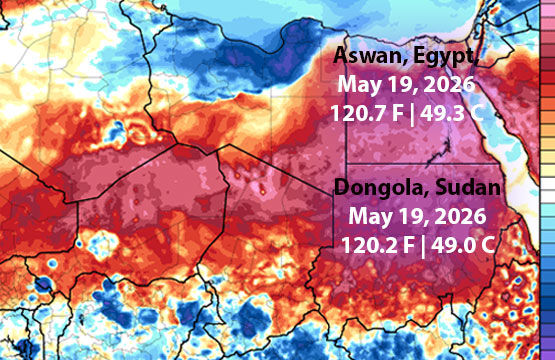
May heat records falling in Egypt, Sudan, India and Europe.
- 120.7 °F. Aswan, Egypt
- 120.2 °F. Dongola, Sudan
- 118 ° F. Pradesh’s Banda, India
- 100.4 °F. Guadian, Spain
Climate Events Spring 2026
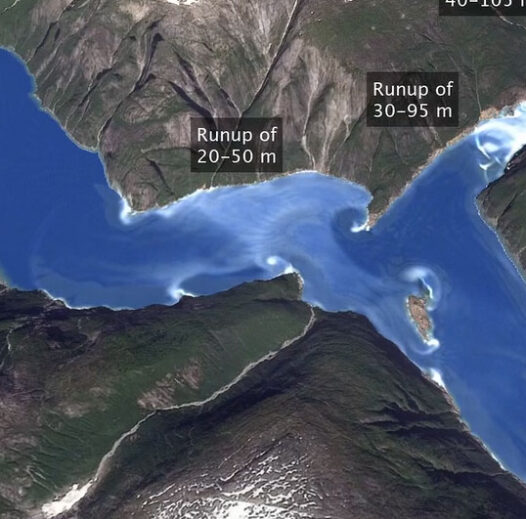
That 1,578 ft. high Alaska mega tsunami
According to a just-released report. a mega tsunami last year in a popular Alaskan fjord yet another warning of the risks of warming driven coastal rockslides and glacier retreat.
Scientists recorded the world’s second-tallest tsunami after it struck the Tracy Arm fjord in south-east Alaska last August after a massive rockslide crashed down around the toe of a glacier. The tsunami reached 1,578ft in height, significantly taller than the Eiffel Tower.
According to the new research published in Science, led by Dan Shugar, a geomorphologist of the University of Calgary, the sequence began with the half mile vertical collapse onto the South Sawyer glacier and fjord. This unanticipated, near-miss highlights the growing risk from landslides and tsunamis in coastal environments.
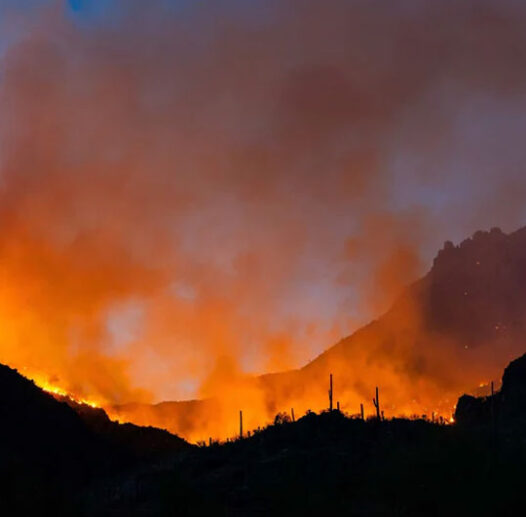
Wales wildfires have changed
Extreme wildfires are a new phenomenon in Wales, a situation that begin to change in 2025 and 2026. Central Wales didn’t use to have a problem with wildfires, but climate change is now enabling violent fire events in March and April. Frequency and scale are projected to get worse as the planet heats.
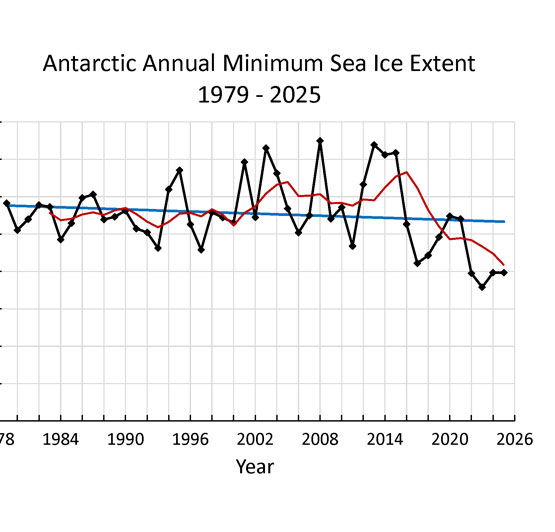
Record low sea level ice in Antarctic waters
The amount of sea ice in Antarctica has “plummeted to unprecedented lows…due to a series of interconnected climate change-driven phenomena. New research published in Science Advances reports that around 2013, warm, saline water from the deep ocean began rising closer to the surface. Then, in 2015, intense wind mixed the deeper heat directly into the surface layer, rapidly melting sea ice. Since 2018, the ice-ocean system has been trapped in a cycle where – with less ice to melt – the surface remains salty and warm so that ice cannot recover. While sea ice melt doesn’t affect sea levels, It reflects sunlight back into space (the “albedo effect”), insulates the ocean from the atmosphere and drives global ocean circulation.
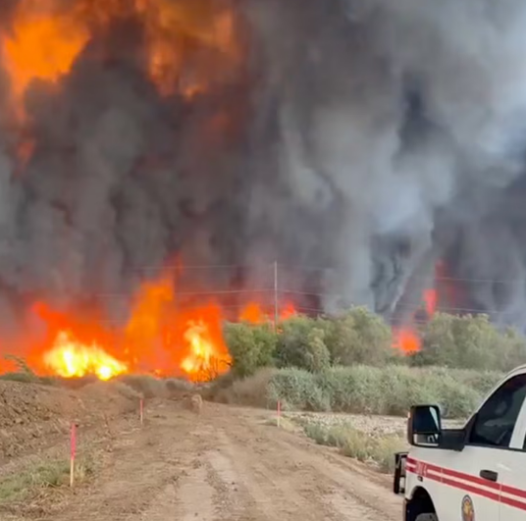
Arizona flash fires “war zone”
A wildfire burning south of Buckeye, Arizona, has spread across nearly 1,000 acres, with residents describing the blaze as “like a warzone”.
The Hazen fire started around 3 p.m. Saturday, growing by over 300 acres that night alone, and is currently zero percent contained, Arizona’s Family reported. By Sunday the fire had reportedly spread across 980 acres.
Residents near the Gila River bottom reported flames approaching residential areas, including the Parkside Travel Trailer Park.
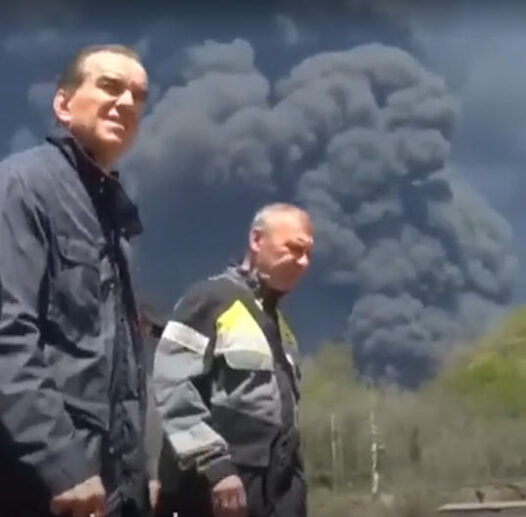
Black rain in Russia from oil disaster
It’s not as if the Russiasn are known for their impeccable sustainability credentials, but the ongoing war-driven catastrophe on the Black Sean is by all accounts the worst ever. The catastrophic event was triggered by Ukrainian drone strikes on oil infrastructure in Tuapse, causing massive refinery fires and oil spills along the Black Sea coast. “Black Rain” fell from the sky as smoke and petroleum residue spread across the region. Weeks later, wildlife is still dying, beaches remain polluted and volunteers trying to respond say their efforts have often been obstructed. The authorities, meanwhile, have focused less on confronting the scale of the catastrophe than on silencing those speaking out about it. Authorities are reportedly more concerned about the tourist season.

That Pacific Garbage Patch is also heating the planet
A new study is claiming that the massive gyres of plastics floating in the Pacific (as in twice the size of Texas) are also contributing to planetary heating. The two floating continents of micro waste are alarming enough it terms of the ecological havoc they wreak on many levels. The new research from Fudan University in Shanghai shows that colored microplastics suspended in the atmosphere over the gyres may contribute more to global warming than previously understood, with some regions near ocean garbage patches showing warming effects greater than black carbon.
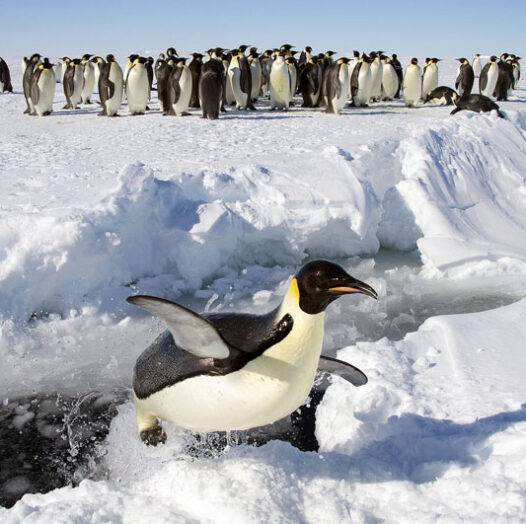
Marine heatwave already impacting California sea birds
What do Antarctic fur seals and southern elephant seals and emperor penguins have in common? They all need sea ice to survive.
Since 2016, sea ice levels have continuously reached record lows. Emperor penguins depend heavily on fast sea ice for breeding and molting. When sea ice breaks too early, entire colonies of not-yet-waterproof penguin chicks fall into the ocean and drown. Pretty soon you run out of penguin chicks, and then after a while you run out of penguins.
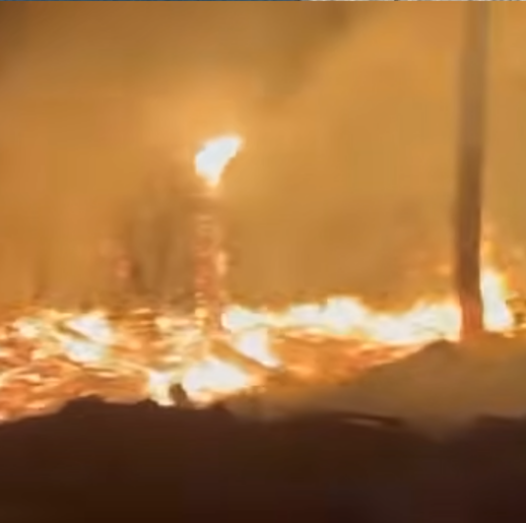
Georgia and Florida wildfires breakout
Wildfires burning across the south-eastern US intensified on Wednesday across parts of south-east Georgia, where 50 homes were destroyed, and across north-east Florida, forcing evacuations and school closures in some communities. The conditions lead to the Georgia Forestry Commission’s first mandatory burn ban due to the worsening drought in the region.
Smoke from the fires drifted to Atlanta and Savannah, Georgia, as well as Jacksonville, Florida, while air quality in parts of south Georgia declined to the unhealthy category.
Drought in the contiguous US has reached record levels for this time of year. More than 61% of the lower 48 states are in moderate to exceptional drought – including 97% of the south-east and two-thirds of the west.

117°F / 90°F India record heatwave
High temperatures in Pradesh’s Banda crossed into the 117°F range for the second day as insanely hot conditions spread through a vast expanse of northern and central India. With a population of 20,000,000, the capital of Delhi baked at 112°F.
Emperor penguins now endangered by warming
What do Antarctic fur seals and southern elephant seals and emperor penguins have in common? They all need sea ice to survive.
Since 2016, sea ice levels have continuously reached record lows. Emperor penguins depend heavily on fast sea ice for breeding and molting. When sea ice breaks too early, entire colonies of not-yet-waterproof penguin chicks fall into the ocean and drown. Pretty soon you run out of penguin chicks, and then after a while you run out of penguins.
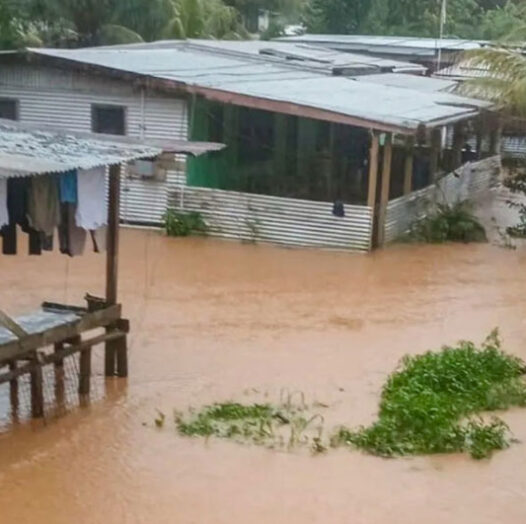
Cyclone Maila: things got crazy in the western Pacific
Packing 160 MPH winds and eventually reaching Category 5, the early spring cyclone is unusual for its severity and it’s path. The storm originated near the Solomon Islands defying precedent in terms of proximity to the equator. Maila is the front runner in a group of three cyclones forming in the Western Pacific, a scenario that is apparently unprecedented. Tropical Cyclone Maila is considered unusual because of its development trajectory and intensity during a time of year when activity in that specific region is typically limited. Among the affected places was Papua New Guinea, where dozens were killed. .
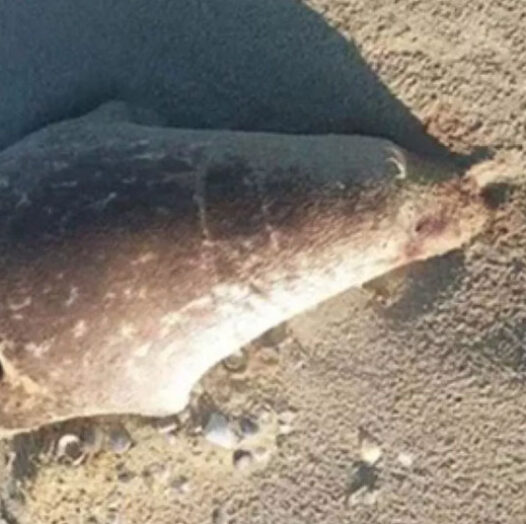
Mass Caspian seal die off reflects larger. growing disaster
More than 100 dead seals washed ashore in the Kazakhstan shore of the Caspian Sea, a body of water plagues by drought, global warming and horrific unchecked pollution. .
The incident adds to growing environmental concerns in the region. In 2025 alone, more than 400 dead seals were found along Kazakhstan’s Caspian coastline, raising alarm over the health of the marine ecosystem.
Climate Trends Spring 2026
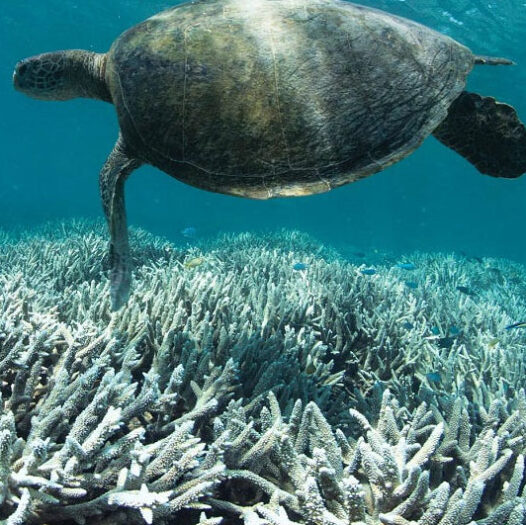
87% coral reef bleaching globally
Warm-water coral reefs are passing their tipping point as few humans pay attention. Increasingly frequent marine heatwaves have escalated the prevalence and extent of mass coral bleaching events. Global-scale coral bleaching events unfold when marine heatwaves impact reefs across all tropical ocean basins within a common period. A new report documents an ongoing period of global coral heat stress from 2018 to 2025, affecting an 87% of reef areas globally. The average intensity has also been record-setting, with the median global heat stress accumulation on reef areas nearly 50% greater than the previous GCBE record. A billion people and a quarter of all marine life depend on reefs. The cause is rapid general ocean warming.
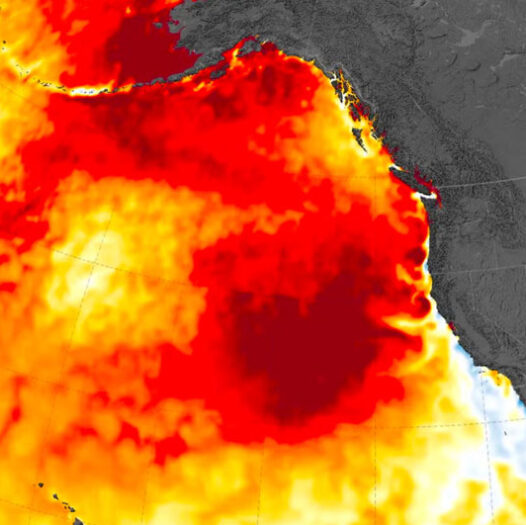
Unprecedented Pacific Ocean temperatures
As the expected “Super El Nino” looms, a record breaking marine heat wave in the Pacific stretches 5000 miles to the California coast. A resurgent marine heatwave off California is pushing ocean temps to century highs and raising fears that a new, even more intense ‘Blob’ is forming.
At Scripps Oceanography, multiple shore stations are reporting all-time daily temperature highs, a scenario that has been in place since later 2025.
.

Venice fights a losing battle against the sea.
The iconic city of Venice is similar to New Orleans in a couple of ways: They are no strangers to flooding, and neither of them should be there in the first place. Nevertheless, a thousand years of fighting the inevitable may be coming to an end as rapid sea level rise threatens to overwhelm human ingenuity, finally succumbing to human stupidity. Scientists are now sounding the alarm that no adaptation measure can sustain Venice as rising sea levels threaten to swallow the city. In a worst case but highly probable scenario, the city may be forced to relocate. Which means it will no longer be Venice.

Permafrost releasing sulfuric acid in Arctic rivers
Think of it as a toxic waste dump full of discarded car batteries – but in reality it’s sulfuric acid once trapped in the permafrost of Arctic lands. The rivers of Alaska, Siberia and the polar regions have begun to flow orange as sulfuric acid and other toxics once trapped emerge into the tundra ecosystem. Along with the collapse of the tundra surface, increased rainfall in the polar regions also contributes to the release of pollutants. READ MORE
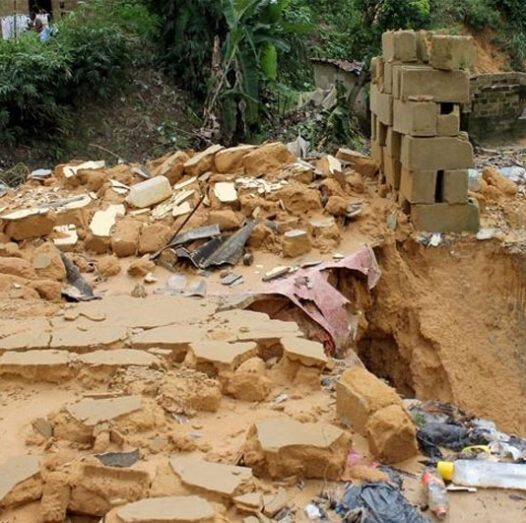
Congo floods continue since March
The torrential rains that fell throughout the province of Tshopo on April 15, 2026 caused flooding and major damage to infrastructure. The floods have worsened following the overflows of the Congo River and some of its tributaries. Several have burst their banks to flood homes. These events began in March 2026 and show no signs of relenting.

Species movement to the poles
As the climate shifts, animals, tress and plants face a geographic habitat survival as the landscapes they once called home are becoming unrecognizable or unreachable. Species’ ranges are already shifting towards the poles, but also to higher altitudes and cooler latitudes to track more favorable life conditions. The timing of migrations – the cyclical journeys species embark on to breed or find peak resources – are falling out of sync with seasonal triggers like day length and snowmelt.
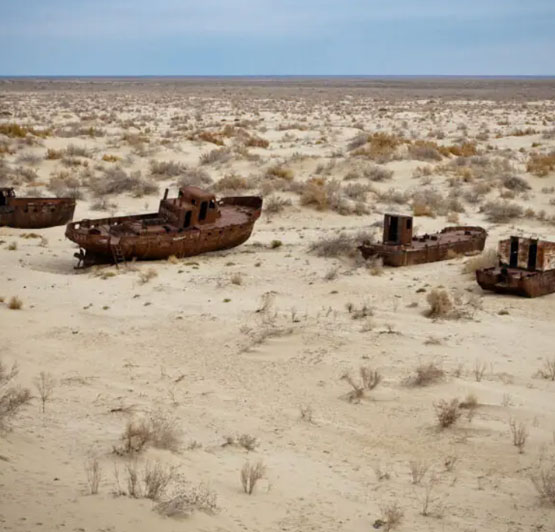
No water for planting in Central Asia
Central Asian countries lack sufficient water for spring planting of food crops this year, setting the stage for population flight and even military conflict among themselves and with their neighbors. Global warming and rapid population growth are the main culprits, exacerbated by other stupid human tricks such as decaying infrastructure supply disruption.
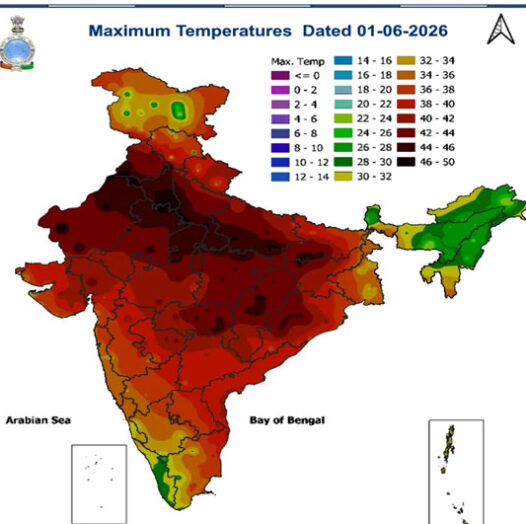
India Smashing New Heat Records
A strong heatwave is about to sweep across many parts of India over the next two days, causing the temperatures to climb in several states. Forecasts indicate that temperatures will continue to rise gradually over the next two to three weeks. Temperatures in northern and eastern India are predicted at 113°F.
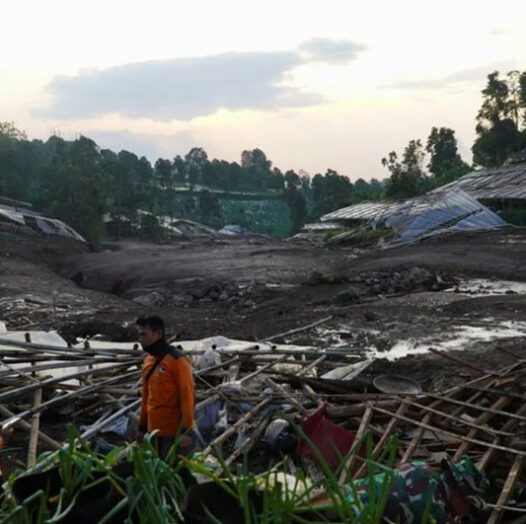
More flood disaster in West Java, Indonesia
Hundreds of houses were affected in Indonesia’s West Java due to flooding from heavy rainfall. Key transportation routes were cut off after the Citarum River overflowed from the flood.
The April 2026 event follows a deadly landslide in January and a horrific series of extended floods in 2025,
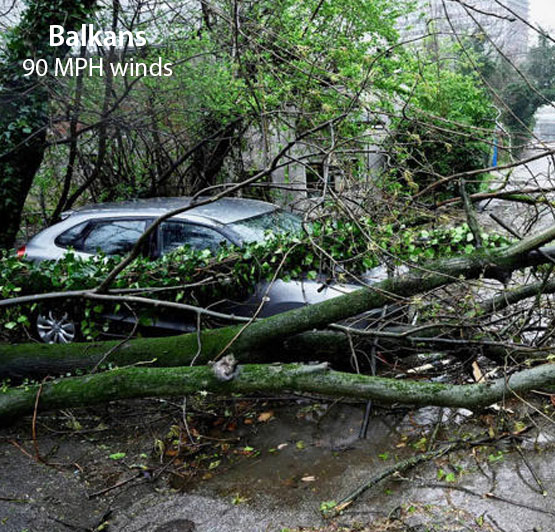
90MPH winds drive Balkans megastorm
More than 15,000 people have been left without electricity in the affected areas as violent storms smashed the Zagreb region.
Authorities there also suspended classes Friday in primary and secondary schools because of bad weather. Wind speeds reached 90 MPH in an extreme weather event described as “aberrant” by authorities. There is a lot of that going around.

Official says warming is driving China floods
At least four are dead in unseasonal flooding that has submerged large areas of Guangdong in southern China.
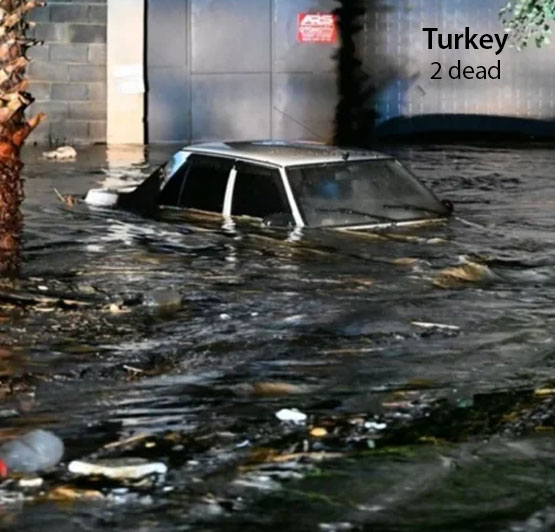
Floods and landslides rock Turkey
Unrelenting torrential rains in Turkey have killed two and severely wrecked urban and rural infrastructure. The heavy rains have brought sudden flooding and landslides, submerging some cars and sweeping others away. A bridge over the Dalichay River was destroyed, closing a key highway for the foreseeable future.
90MPH winds drive Balkans megastorm
More than 15,000 people have been left without electricity in the affected areas as violent storms smashed the Zagreb region.
Authorities there also suspended classes Friday in primary and secondary schools because of bad weather. Wind speeds reached 90 MPH in an extreme weather event described as “aberrant” by authorities. There is a lot of that going around.
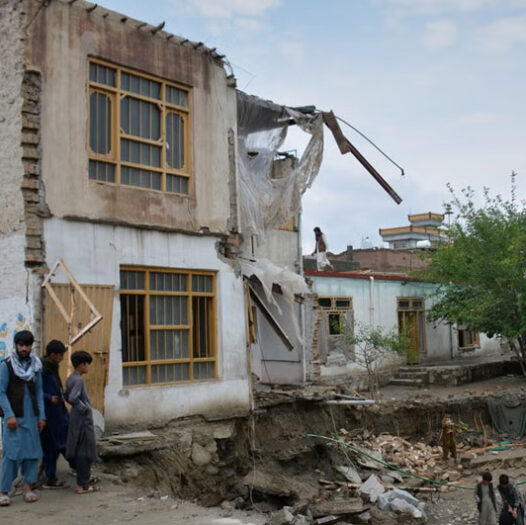
110 dead in Afghan landslides / floods
The death toll from extreme weather that has triggered widespread flooding and landslides in many parts of Afghanistan has increased to at least 110. Seven people were reported missing in separate incidents, all believed to have been carried away by floodwater.
958 homes have been completely destroyed and another 4,155 have suffered partial damage.
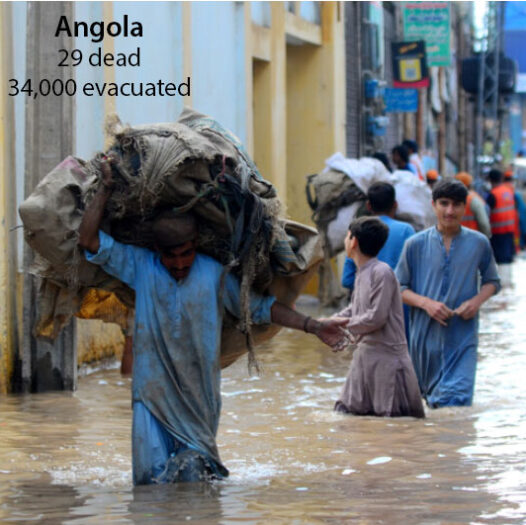
Dozens dead in Angola floods
Torrential rains in Angola’s Benguela and Luanda provinces have left 29 people dead, 17 injured, and three missing. According to authorities, the floods affected a total of 33,355 people in the two provinces, flooded 6,752 homes and caused 201 house collapses in Benguela..
Authorities also reported damage to boats and vehicles in Benguela, while in Luanda, telecommunications, electricity, health, and education infrastructure were affected, along with landslides and fallen trees.
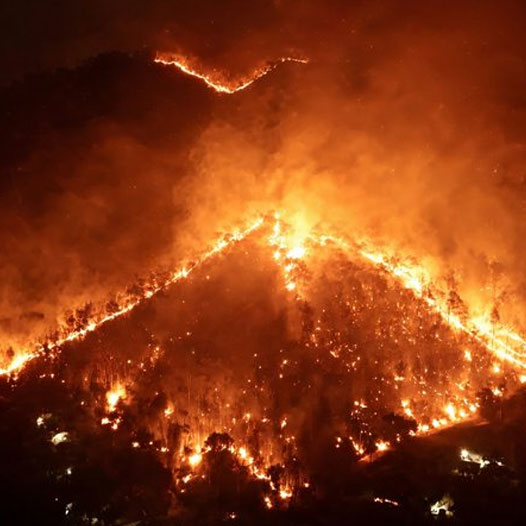
Wildfires “Like a volcano erupting”
Wildfires are sweeping multiple mountain areas of Chiang Mai, with blazes likened to “volcanoes erupting” on mountain ridges.
Separate reports indicated that fires had spread extensively across Doi Luang, with no authorities yet able to reach the area to contain the blaze.
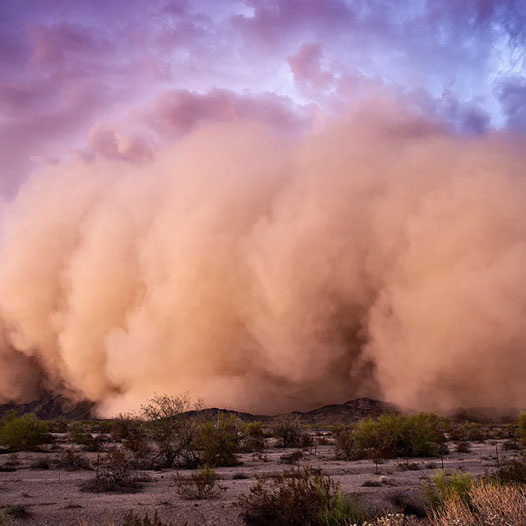
1000 mile “haboob” sand storm in Africa
A massive 1000 mile wide sand storm (known as a haboob swept across Northern Africa, creating a towering wall of sand and dust that blanketed areas in Algeria, Mauritania, and Morocco. These intense, thunderstorm-driven dust storms often exceed 90 km/h (56 mph), reducing visibility to near zero and causing severe hazards in desert regions

Thousands evacuated in Russian floods
Authorities declared a state of emergency in Dagestan after torrential rainfall flooded streets in Makhachkala, damaging homes, vehicles and infrastructure. Some areas recorded more than 2 inches of rain, an unusually high level for the area.
Russia’s emergency ministry said around 3,000 people had been evacuated as floodwaters cut electricity to more than 130 settlements and destroyed several bridges. Hundreds were also evacuated in Chechnya. .
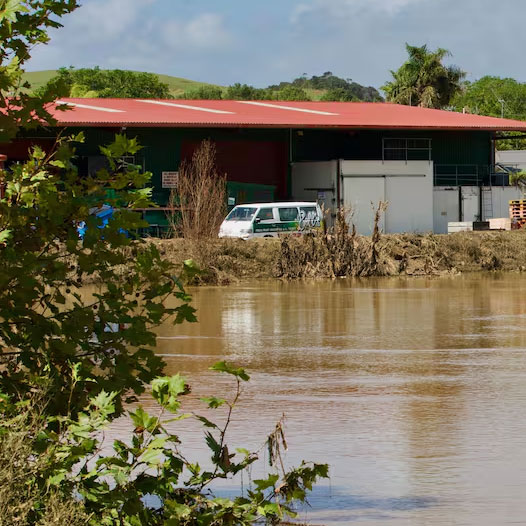
New Zealand sees more extreme rain
Unprecedented levels of rain hit the north of New Zealand, causing the evacuation of over 400 people in the middle of the night.
MetService figures show Kaitāia received 210mm of rain in 10 hours from 10pm Wednesday to 8pm Thursday as a major tropical depression hit.
“This was an extraordinary event with very intense hourly rainfall which tested the [flood protection] scheme to its limits.”
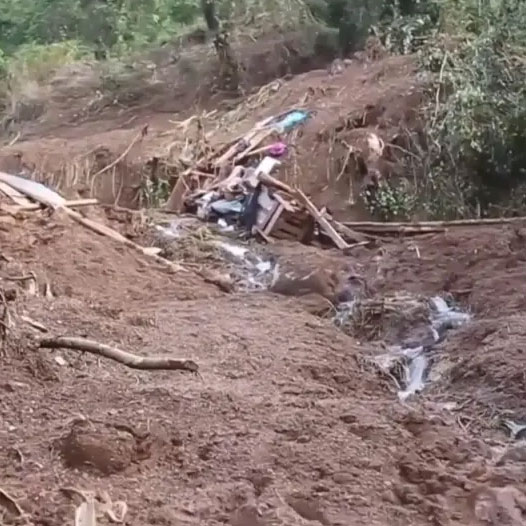
Killer landslides across East Africa
Torrential rain storms have set off landslides that have killed at least 20 people n Tanzania in recent days, along with major damage across the region. Authorities predicted
more rainfall in the days ahead, and urged residents to evacuate.
88 dead in Kenya
In Kenya, flooding events have affected 21 counties and at least two rivers have burst their banks since heavy rains started earlier this month. At least 88 are dead across the region.
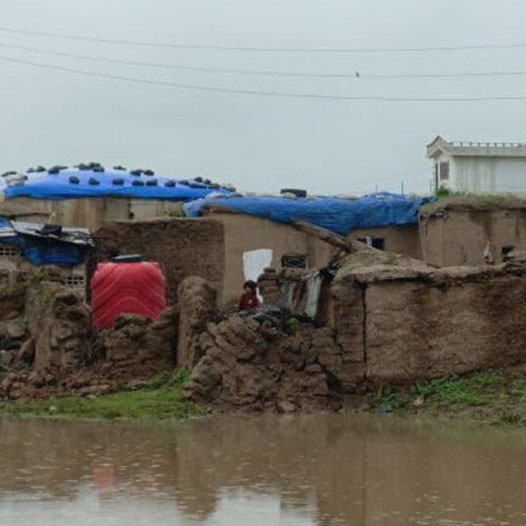
Syria floods displace over 20,000
Heavy rains that began in the middle of March continued to pond northern Syria, causing floods that impacted 20,000 people. The intensity and geographic range of the storms caused extensive shelter destruction, the collapse of vulnerable mud-built housing, contamination of water sources, significant agricultural losses and heightened protection risks in multiple districts. A new weather depression arriving on 24 March further deteriorated conditions in eastern Syria which is now seeing fast-flowing water for the first time after several years of drought conditions.
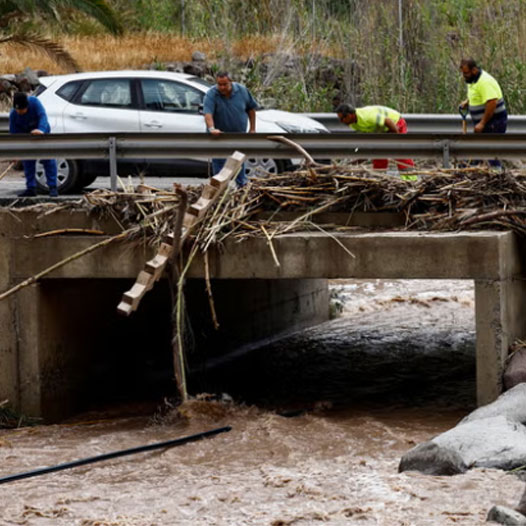
Canary Islands in a new flood emergency
Off the coast of Spain, the Canary Islands are being pummeled by torrential rains and flooding as Storm Therese has created a state of emergency. The island archipelago is in a state of emergency, as the military deploys to help with evacuations.
“We are facing historic circumstances in terms of the volume of rainfall and its impact on the island territory,” Antonio Morales, president of the Island Council..
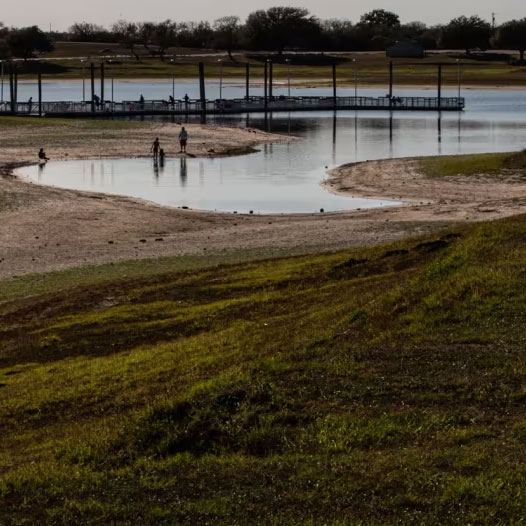
Corpus Christi running out of water
Corpus Christi is weeks away from a potential water emergency, with reservoirs below 10% and demand outpacing supply. Temporary measures are buying time, like new wells, emergency approvals, and even bottled water plans for schools.
Much of Corpus Christi’s municipal water supply is used by industrial facilities like refineries.
When oil and water mix, oil wins.
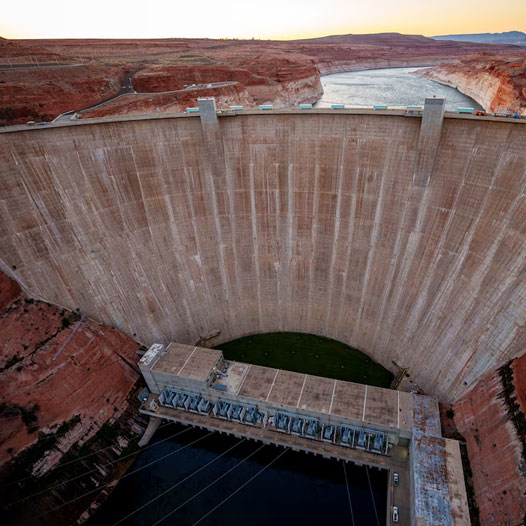
Lake Powell heading for another record low
The critical Lake Powell reservoir is rapidly approaching critical level. The four states that depend on the Upper Colorado River for water are expecting a difficult year. The snowpack for western states has set a new record low.
The latest forecasts show Lake Powell dipping below the level where Glen Canyon Dam can generate electricity or sustainably release water downstream. The dam supplies water for 40 millions people.
“The reservoirs have never been drier,” Estevan López, New Mexico Colorado River negotiator.
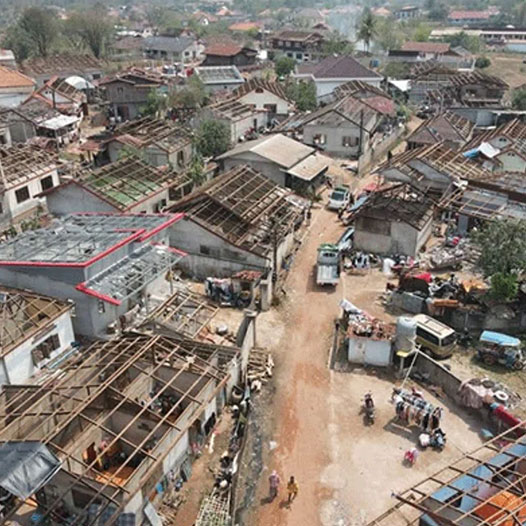
Laos extreme hail storms
“More than 2,000 households across five villages were affected, with Viengkham and Chansavang villages suffering the most severe damage – each reported over 1,000 affected homes. Additional damage was recorded in Phonsomboun, Nongda and Tadthong villages.”

Thailand wildfires kill at least 18
Thailand recorded 2,145 wildfire hotspots in a single day, including 1,005 hotspots in protected forests and 884 in national reserved forests. Activity intensified across Chiang Mai, where authorities reported 207 hotspots across 20 districts on Wednesday morning,
Neighbouring countries reported even higher figures, led by Myanmar with 6,495 hotspots, followed by Laos (3,047), Vietnam (683), Cambodia (631), and Malaysia (178).

Oman Floods inundated by storms
Ramadan was wrecked in Sanliurfa, Turkey by intense rainfall, turning streets, avenues, and roads into lakes. Drivers navigating the flooded roads experienced difficult moments. The water level also rose in Balıklıgöl, one of the city’s historical and tourist spots
Climate Trends Spring 2026
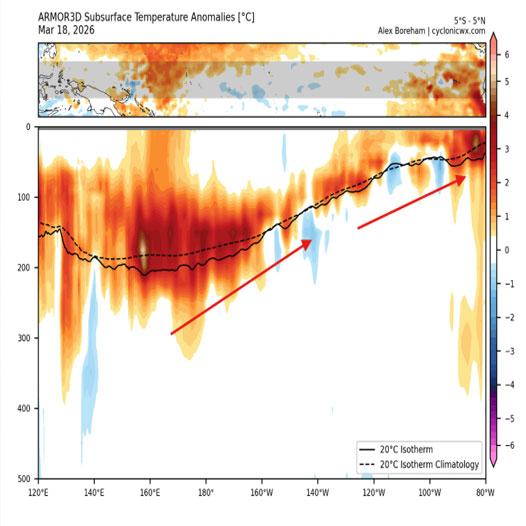
Global ocean surface temps still climbing
Earth’s global 2m surface temperature posted the hottest March 23rd on record, and likely the hottest of that date in the last 120,000+ years
The year 2025 saw another year of relentless uptick.
“Last year was a bonkers, crazy warming year – that’s the technical term. The peer-reviewed scientific term is ‘bonkers’.” John Abraham, Professor of Thermal Science, University of St. Thomas
The world’s oceans are its largest heat sink, absorbing more than 90 percent of the excess warming trapped in the atmosphere.
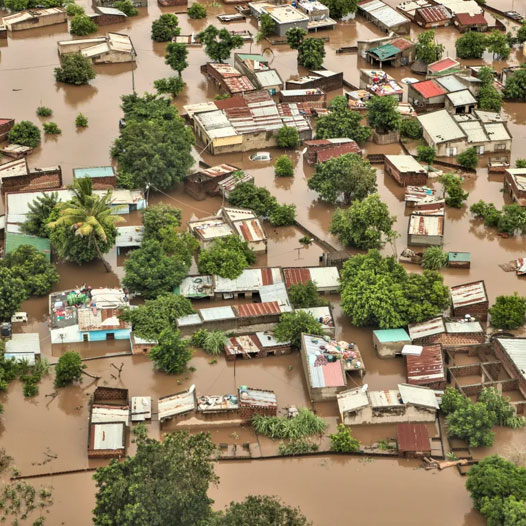
Hailstorms causing $billions in damage
Hail has now become a leading driver of insured losses, with modern storms now able to cause financial losses comparable to a Category 4 hurricane, a recently published Cotality report has revealed.
“For insurers and reinsurers, this shift demands a move away from historical data averages toward property-specific modelling.”
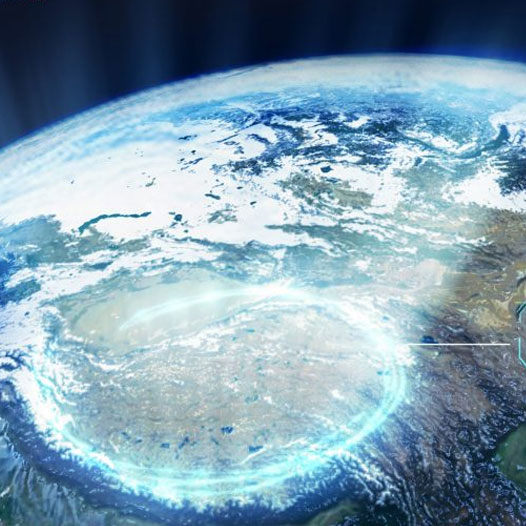
Third Pole is thawing fast
The towering Himalayas, Karakoram, and Hindu Kush mountain ranges form the lifeline for millions of people across northern India and Pakistan. These regions host thousands of glaciers – sometimes called the “Third Pole” – because they store more ice than anywhere outside the Arctic and Antarctic. These glaciers feed the Indus, Ganges, Chenab, and Jhelum rivers, sustaining agriculture, hydropower, and drinking water supplies.
However, over the last two decades, climate change has begun to transform these icy giants at an alarming pace, resulting in glacial retreat, increased meltwater, and a higher frequency of disasters such as Glacial Lake Outburst Floods (GLOFs).
Climate Events Spring 2026
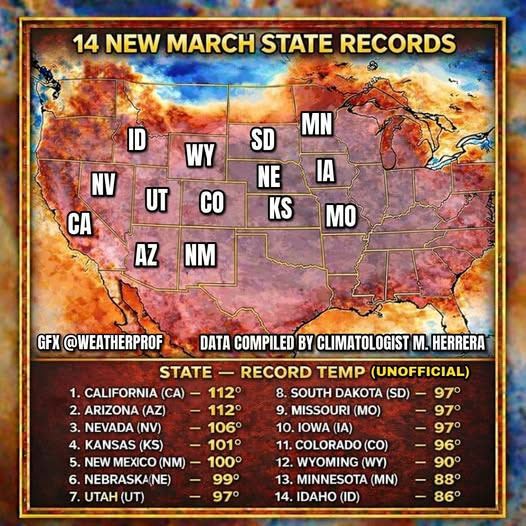
Heat records continue to fall in Southwest
Martinez Lake, Arizona reached 112°F degrees in late March, breaking a record for the highest March temperature recorded in the United States. The week long heat wave is being followed up with another scorcher that will bring dozens of new records.
Globally, heat records are also falling in South America and the Middle East.
Mozambique floods kill at least 18
A second wave of heavy rains has triggered floods across Mozambique, leaving 18 people dead, thousands displaced, and infrastructure damaged, the National Institute for Disaster Risk Management and Reduction (INGD)
According to INGD, the 2025-2026 rainy season has affected nearly 1 million people nationwide, killed 285, flooded tens of thousands of homes, and damaged schools, roads and agricultural areas.
Sanliurfa, Turkey inundated by storms
Ramadan was wrecked in Sanliurfa, Turkey by intense rainfall, turning streets, avenues, and roads into lakes. Drivers navigating the flooded roads experienced difficult moments. The water level also rose in Balıklıgöl, one of the city’s historical and tourist spots
Arizona breaks all time US March heat record
Martinez Lake, Arizona reached 112°F degrees in late March, breaking a record for the highest March temperature recorded in the United States. The week long heat wave is being followed up with another scorcher that will bring dozens of new records.
Globally, heat records are also falling in South America and the Middle East.
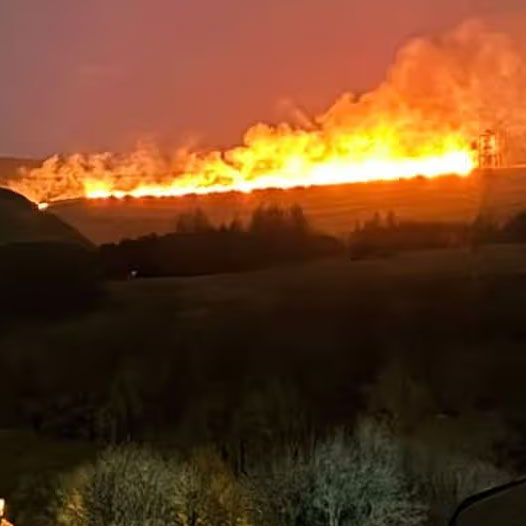
Huge moorland fire in Northern England
A huge moorland fire has broken out this evening near Greater Manchester with smoke seen for miles. The blaze has erupted at Scout Moor, between Ramsbottom and Whitworth.
Pictures and videos shared on social media show thick plumes of smoke billowing from the scene with roaring flames captured over the moorland. Lancashire Fire and Rescue Service are in attendance, along with crews from Greater Manchester.
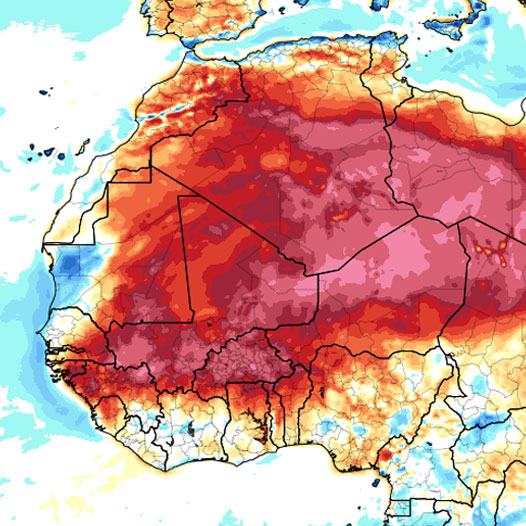
Sahel heat records continue with 112°F
The Sahel region of West Africa is undergoing another severe, record-breaking heat wave that scientists from the World Weather Attribution (WWA) group describe as “impossible without human-induced climate change.” Maxiumum temperatures reaching 112°F and overnight minimums of 86°F. The Sahel is experiencing intense, prolonged dry conditions and a massive food crisis, with millions on the brink of starvation and 3.4 million people displaced.