Will A Crash In Coastal Tourism Make Humans Pay Attention?
Alarming ocean temperatures, climate driven changes in current patterns and a surge in agricultural nutrients are a perfect environment for these nasty organisms
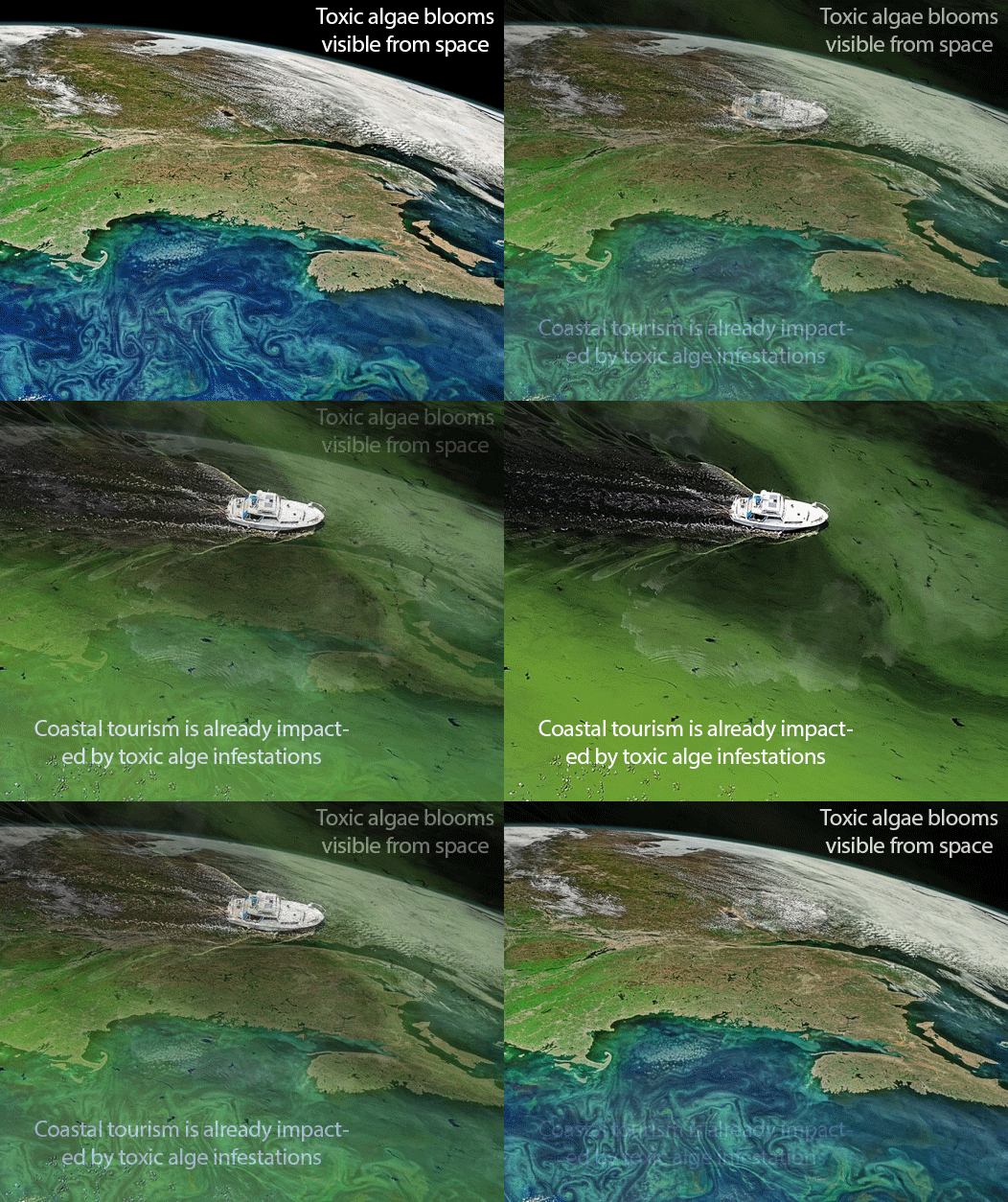
Blooms: How language is deployed
In most descriptions of the growing algae crisis, the spread of the organisms is described as a “bloom.” You know: like flowers. Similar to methane rebranded as natural gas or toxic fracking waste renamed “brine.”
Who do you think will win the NCAA (March Madness) basketball tournament?
My long held belief is that most of the species will remain uninterested in global warming emergency until their lives are affected. How do you compete with March Madness or the new baseball season? Interest will begin peaking when the consumerati find their candy bars disappearing and shellfish no longer on the menu.
Health, Ecosystems and Economies
Many harmful algae produce toxins that can contaminate drinking water, kill fish and wildlife, and cause illness in humans, ranging from skin irritation to serious liver and neurological damage. Coastal economies and fishing industries also suffer when blooms lead to dead zones—areas with little to no oxygen—making it impossible for marine life to survive. As global temperatures continue to rise, scientists expect these blooms to become more frequent, longer-lasting, and more widespread, making them a growing environmental and public health crisis.