
A Bellwhether Year
In 2025, legendary global warming pioneer James Hansen issued his final warning. Even as record catastrophes whiplashed vast swathes of the planet with epic floods, wildfires, extreme weather, drought and heat waves, very few paid attention. In the current geopolitical environment, there is little hope for progress.
(See mitigation vs adaption here).

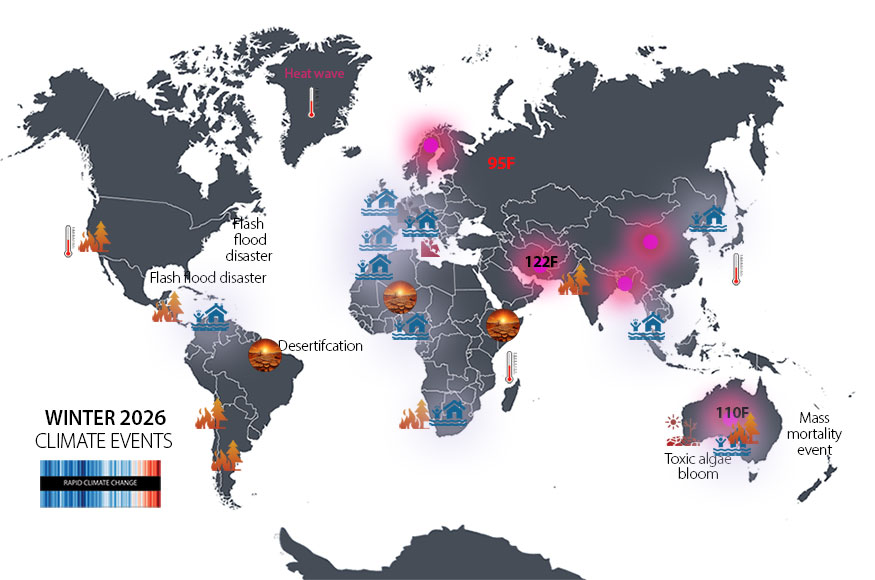
The UN has accepted that the 1.5°C (2.7°F) threshold has been permanently breached | Atmospheric Carbon Dioxide levels rose to a new level of 427 PPM as the rate of growth has tripled since 1960 | Record losses: the US marked $101 billion in extreme climate event losses in 2025 | Two more Florida coral species were categorized as extinct in 2025 | The Arab region is heating twice as fast as the rest of the planet as 122°F becomes common. | Global methane emissions continued their upward trend, driven by industrial and agricultural sources | US Electricity emissions rose for the second straight year as coal-fired electricity generation rose 12% and energy demand outpaced renewable growth. The global mean sea-level rise rate since 1900 is the fastest rate over the last four millennia. | The world’s oceans absorbed an additional 23 zettajoules’ worth of heat in 2025, the most in any year since modern measurements began in the 1960s. a significant increase over 2024 | Changes to ocean circulation are reducing iron content, cutting phytoplankton’s ability to photosynthesise, ultimately decreasing the food-supply for animals like krill, whales and seals. | The North Pacific Ocean surface warmed 2X as much over the past 15 years than it did over the preceding 156 years, an increase in warming rate of >2000% | Global warming has created a new arid zone in northeastern Brazil, the country’s first official desert. | The oceans are being slimed with toxic seaweed as sea waters warm | Growing deposits of algae on the Greenland ice sheet have created a new feedback loop as the red and brown organic blooms curtail reflectivity and directly melt ice below.
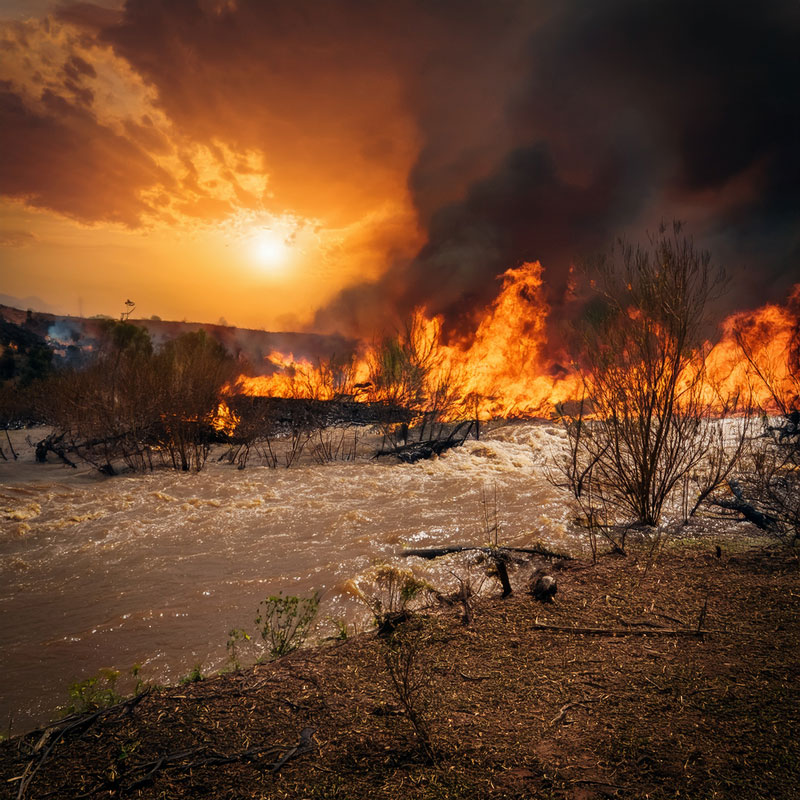
Climate Disaster Events
Record heat waves caused massive mortality, especially in Europe and South Asia. Temperatures reached a previously unheard of 122°F in Europe as tens of thousands died.
Record floods and landslides smashed virtually every continent, killing hundreds of thousands and displacing millions. Particularly horrific events took place in Mexico, Pakistan and Texas.
Dubai registered a high temperature of 140°F.
The most powerful Atlantic storm of all time devastated Jamaica with 185 MPH winds.
Apocalyptic wildfires in Los Angeles were bookended with record flooding in December. Much of southern Europe burned, including Portugal, Spain, Italy and Greece.
A huge chunk of mountainside in the Swiss Alps broke off in mid-May, ice, mud and rock down the mountain, burying the village of Blatten.
The US Environmental Protection Agency continued to remove references to human-caused global warming from its websites.
An Alaska megastorm resulted in mass evacuations and the the largest airlift in Alaska history. 1600 were evacuated.
A massive dirt storm struck Chicago and Central Illinois, a freak weather event driven by drought.
Mosquitos were recorded in Iceland for the first time.
The world’s oceans absorbed an additional 23 zettajoules’ worth of heat in 2025, the most in any year since modern measurements began in the 1960s and a significant increase over 2024.
Tropical Cyclone Senyar, which killed 1,482 people in Indonesia, Thailand, and Myanmar.
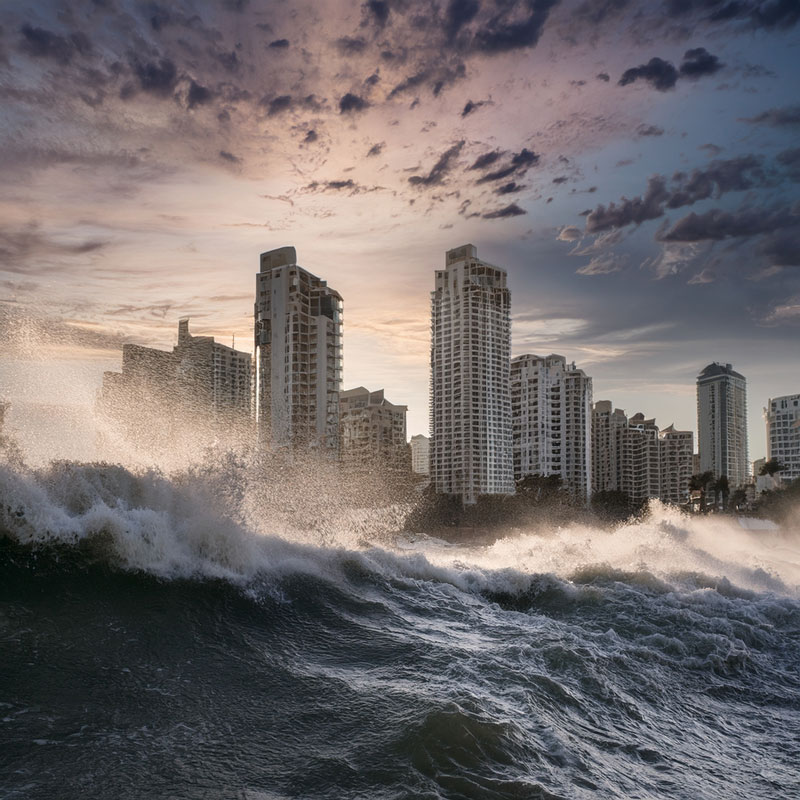
Long Term Trends
Cyclones increasingly display rapid intensification as seas continue to warm.
Global coral bleaching event became the most extensive on record, affecting 84% of reefs worldwide.
The slowdown of the AMOC (Gulf Stream) is accelerating, with dire ramifications for Europe.
Rapid decline of the Greenland ice sheet affects significantly more than sea level rise.
Ocean Heat Content (OHC) in 2025 continues its long-term upward trend, with oceans absorbing over 90% of global warming heat.
Record-low maximum Arctic sea-ice extent was recorded in March 2025,
Global methane emissions continued their upward trend, driven by industrial and agricultural sources, with developing regions fueling growth.
Climate upheaval continues to threaten luxury foods, especially cocoa, wine and coffee. In addition to temperature, excess humidity and unreliable rainfall are factors.
Rapid sea level rise now actively threatens large coastal cities globally, including China, New York, Manilla, Jakarta, Miami and the OBX.
Mass European tree die off: Vast swathes of Germany’s trees have been destroyed by droughts and infestations, reflecting a greater trend across Europe.
Ankara, Turkey has joined the ranks of global capitals on the verge of running out of drinking water. Ongoing crisis affects Cape Town, Mexico City, Jakarta, Kabul, Bangalore, Beijing, Cairo and São Paulo.
Rapid permafrost (tundra) thaw causes infrastructure collapse, massive methane and virus release, mega slumps and crater blowouts and Arctic Rivers flowing orange with newly released toxins.

Tipping Points/Feedback
Atmospheric water vapor: Warmer air holds more water vapor, a GHG which amplifies warming, which increases water vapor. Repeat.
Polar ice reflectivity decline (albedo) effect. Less ice bounces less heat back into space, heating ocean waters faster, which melts more ice. Repeat.
Permafrost carbon feedback: as frozen soils thaw CO₂ and methane from long-stored organic matter causing more warming, causing more thawing. Repeat.
Forest dieback from heat and drought: Fewer trees means less CO₂ absorbed; fires release CO₂ increasing atmospheric levels increasing warming. Repeat
West Antarctica Ice shelves are falling apart at unprecedented rates. These formations “hold back” trillions of tons of land ice on the southern continent, enough to raise sea levels several meters.
Growing deposits of algae on the Greenland ice sheet have created a new feedback loop as red and brown organic blooms curtail reflectivity and directly melt ice below.
Three causes of global sea level rise
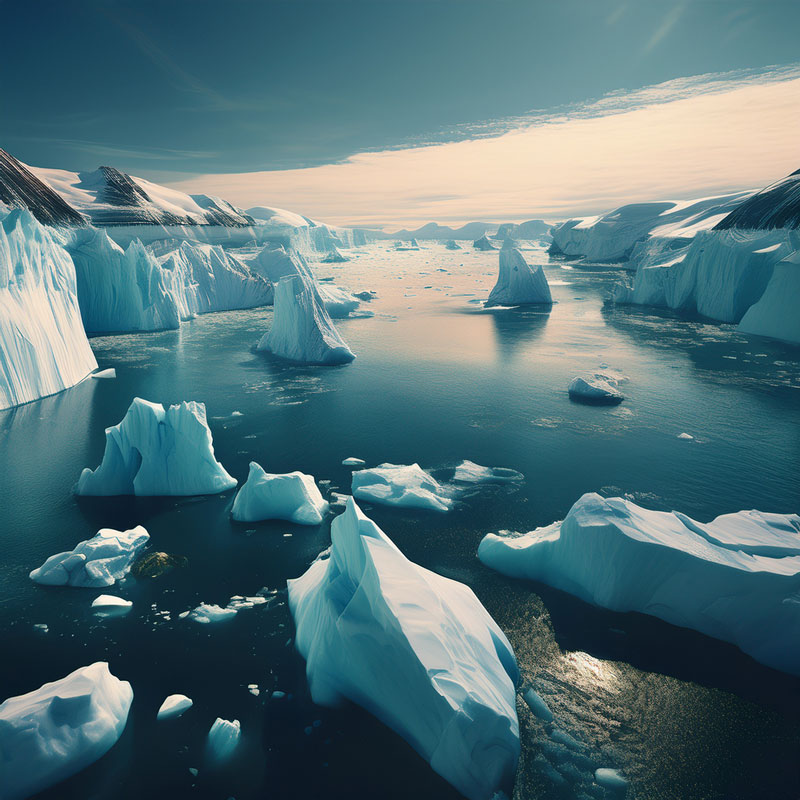
Melting land ice sheets change ocean chemistry
25% The massive Greenland ice cap is shrinking an average of 30 million tons an hour – which is 20% more than was previously thought. This additional source of freshwater pouring into the North Atlantic contributes to the slowing of the Atlantic meridional overturning circulation (AMOC), a dire state of affairs for Europe.
Ice loss from Antarctica continues to accelerate over and is now estimated at 150 Gigatons per years. This is a sevenfold increase since the 80’s and adds an additional .5 mm per year to sea levels.
Globally, mountain glaciers have been losing mass rapidly and contribute around 0.2 to 0.4 mm per year to sea-level rise.
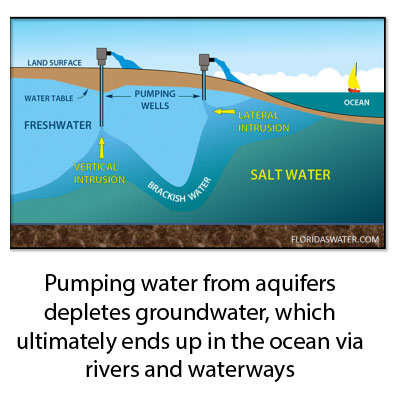
Groundwater depletion and transfer to oceans
25% Groundwater depletion from irrigation and other human activities is a major though often overlooked, contributor to sea level rise, adding new freshwater to oceans that was previously stored on land. A relatively recent discover, this category of water transfer to the oceans may now equal or exceed melting glaciers and ice sheets. This human activity is causing a global shift in the water cycle, which is virtually never a good thing for humans.

Thermal expansion more than melting polar ice
50% About half of current sea level rise is attributable to ocean thermal expansion. When seawater warms, it expands, and takes up more volume, significantly contributing to sea-level rise. as oceans absorb over 90% of Earth’s trapped heat from greenhouse gases, causing water molecules to spread out, leading to rising coastal waters. This process accounts for about half of the global sea-level rise, with warmer temperatures increasing the water’s volume, impacting coastal areas and ecosystems worldwide
The ice goeth, man
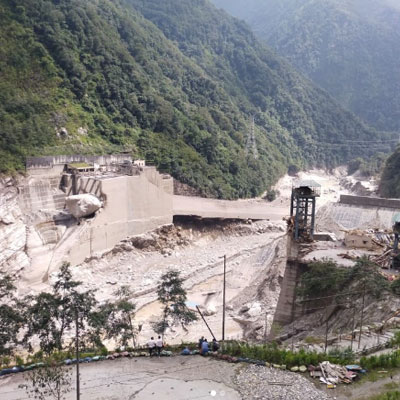
Glacial Lake Outburst Floods mountain villages
A glacial lake outburst flood (GLOF) takes place when water stored in a lake that formed from melting glacier ice suddenly bursts through its natural dam (often made of loose moraine sediments or ice), violently releasing unthinkable volumes of water and debris downstream. These cataclysmic floods are increasing in frequency in many alpine ecosystems around the planet.

Mountainsides collapse as frozen ice “glue” thaws
A huge chunk of mountain in the Swiss Alps broke off in mid-May, dumping a deadly mash of ice, mud and rock down the mountain, burying most the village of Blatten. This increasingly common phenomenon is what happens when the ice particles that hole mountains begins to melt. Permafrost in Alpine locations and also in the Arctic is no longer so “perma,” causing accelerated destabilization of tundra and mountainsides.
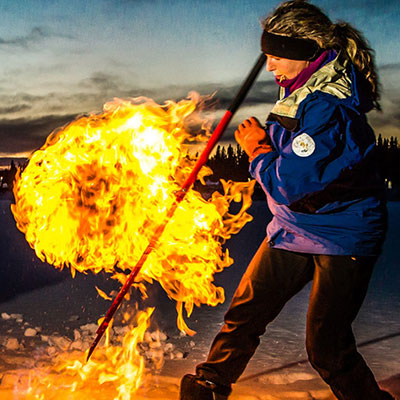
Permafrost thaw unleashes shocking consequences
The rapid thaw of permafrost is one of the most powerful feedbacks, linked with several obvious and not so obvious effects on the global climate. The most alarming scenario is the release of gigatons of Methane (CH4) into the atmosphere from beneath the once frozen surface. Methane is far more powerful than CO2 (Carbon Dioxide).
Notable 2025 Events
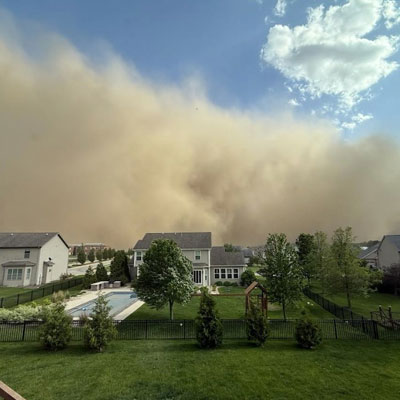
Massive Chicago dirt storm was a toxic event
A massive wall of dust and dirt particles enshrouded the city of Chicago in mid-May, causing ground stops at O’Hare and Midway and bringing the region of 10 million residents to a halt. Driven by 60 MPH winds, the violent storm brought near-zero visibility to highways and wrecked crops and agricultural infrastructure.
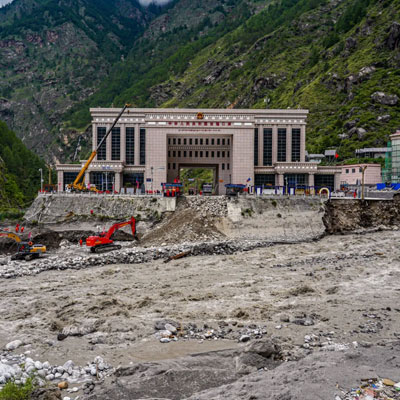
Lethal Glacial Outburst Flood devastated Nepal
A sudden glacial outburst flood (GLOF) in Rasuwagadhi, Nepal swept away the Nepal–China Friendship Bridge, hydropower installations, and cross-border trade goods; several deaths and missing persons were reported. It was one of three that occurred in the region.
Himalayan glaciers are shrinking rapidly due to warming — increasing residual lake formation and water volumes behind natural dams. The phenomenon increasingly affects daily life Alpine regions around the planet. More here.
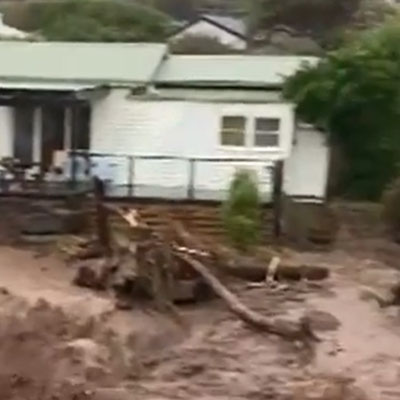
Climate whiplash in Australia as floods follow on fires
Australia’s Great Ocean Road, famous for its scenic coastal views, was closed after more flash floods triggered by a storm hit the state of Victoria. Aerial footage showed vehicles swept out to sea by floodwaters and caravan parks inundated.
The Victoria State Emergency Service issued an emergency flash flood warning for Wye River, Kennett River, Cumberland River, Lorne and surrounding areas, and urged people to take shelter.
Report shows Alaska rivers flowing orange with poison
A massive wall of dust and dirt particles enshrouded the city of Chicago in mid-May, causing ground stops at O’Hare and Midway and bringing the region of 10 million residents to a halt. Driven by 60 MPH winds, the violent storm brought near-zero visibility to highways and wrecked crops and agricultural infrastructure.
Historic Southeast Asian floods kill thousands
Rescue teams and volunteers have been struggling to assist millions of people affected by floods and landslides in parts of Asia, as the official death toll from the ongoing climate-fueled disaster has climbed to more than 1,750 people in the worst-affected countries of Indonesia, Sri Lanka and Thailand.
In Indonesia, at least 908 people were confirmed dead and 410 were still missing, according to the latest data on Saturday.

16 more OBX cottages crash into the ocean
Since 2020, 27 oceanfront homes have collapsed into the Atlantic Ocean on North Carolina’s Outer Banks. In Buxton, five fell in one day. That’s because the ocean is rising and storms are getting more extreme.
In spite of predictions by scientists, Outer Banks communities such as Buxton are spending millions putting the sand back. But it won’t stay there. It will never stay there.