Europe’s infrastructure isn’t ready for global warming
Three French nuclear plants halted production during this week’s record-breaking heatwave as rivers became too warm to cool them, raising questions over the long-term future of Europe’s biggest nuclear fleet.
“Nuclear power is clearly a 20th-century technology that is ill-suited to the 21st,” said Yves Marignac, an independent nuclear expert and spokesperson for the think tank négaWatt.
“The warning signs are becoming stronger every year.”
During the record heat wave, some railroads were shut down due to concerns about buckling tracks.
HOSPITALS, FUNERAL HOMES AND SCHOOLS ARE NOT AIR CONDITIONED
The extent of the looming challenge is not necessarily obvious. For example, as hundred die of heat related causes, Paris morgues have been overwhelmed. Let’s think about that for a bit. Few homes in France are equipped with air-conditioning units, and most schools are not designed to cope with extreme heat.
107°F smashes all time German high
Records fall across Europe
Germany recorded a new all-time high of 107°F, in Coschen, near the Polish border in eastern Brandenburg, according to preliminary data from the national weather service.

Germany, Czechia, Poland and Hungary reached record temperatures of more than 105°F as a heatwave linked to thousands of deaths in western Europe spread east.
105°F Słubice, Poland | 113°F Spain | 107°F Coschen, Germany 105°F Budakalász, Hungary | 107°F Doksany, Czechia
World’s oceans break June heat record:
Global average sea surface temperature in June reached a record 20.98°C, capping six months of near-record ocean warmth and widespread marine heat waves that affected 82% of oceans. The long predicted El Niño, combined with ongoing greenhouse gas–driven warming, is expected to push temperatures higher, intensify weather extremes, accelerate sea-level rise, and increase coral bleaching and marine ecosystem stress.
Although Western Europe has seen some relief after record June temperatures, Mercalli said another surge of hot weather is expected from July 5 or 6, affecting France, Spain, Germany, Italy, Switzerland and parts of Britain. Early estimates of excess deaths range from 1,500 to 2,000.
Fire and Rain: Sicily’s climate whiplash
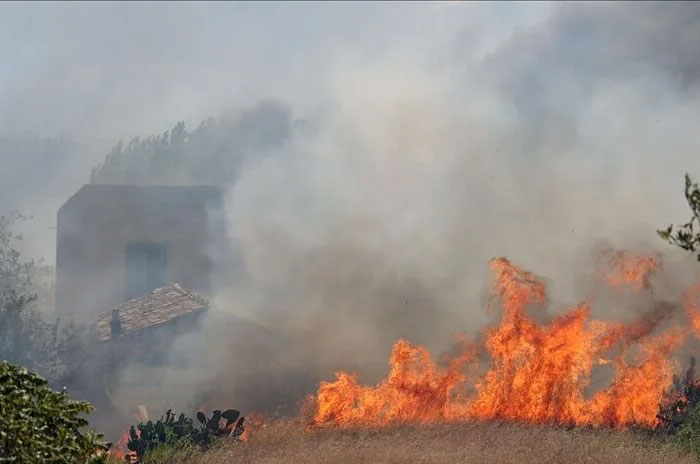
Sicily goes from fire to hail in a matter of hours. After days of African heat, scorching temperatures, and muggy weather, the island is dealing with wildfires in several areas and the first violent thunderstorms heralding the change in weather.
200 evacuated in Andalusia: 113°F record
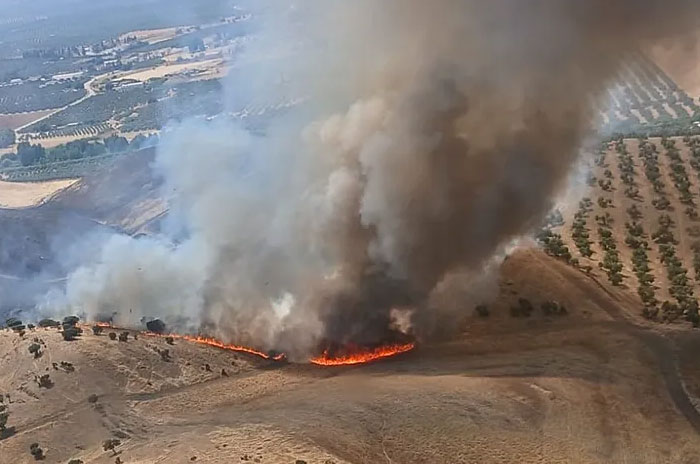
The country has just emerged from a record-breaking heatwave that left hundreds dead and pushed temperatures beyond 113°F.
Following a record dry spell in May, topsoil has been stripped of moisture, eliminating the land’s natural ability to cool itself – and creating near-ideal conditions for fires to ignite and spread. Authorities have warned of a high risk of wildfires amid a worsening drought, with the accumulated heat expected to persist into early July..
Morrocco issues red alert as temps hit 116°F
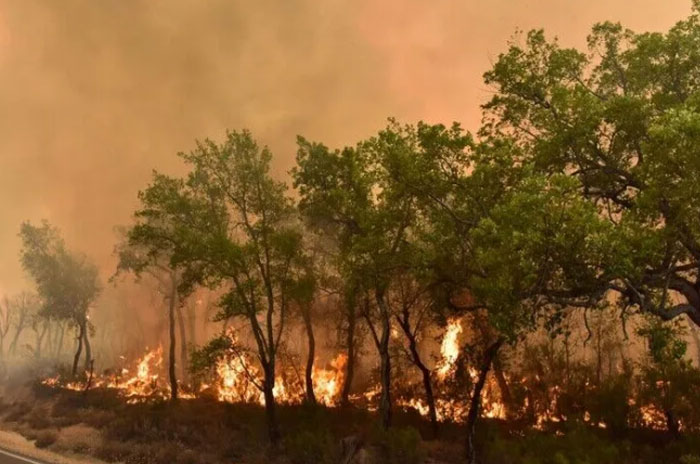
The fire risk warning comes alongside a weather alert issued by the General Directorate of Meteorology regarding a heat wave from Tuesday through Thursday, with temperatures reaching up to 46 °C (115 °F) in some regions of the country….
Lethal wildfires cause evacuations in Greece
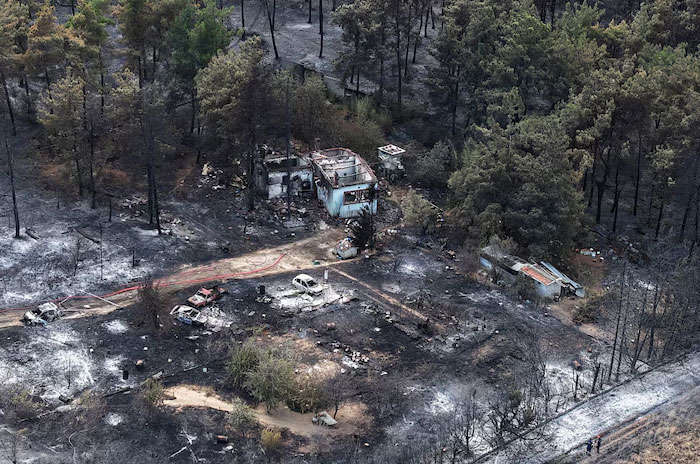
A wildfire raging through forest and farmland near the village of Kalapodi in central Greece forced evacuation orders for two villages in the area Wednesday,
Another wildfire on the Methana peninsula of the northern Peloponnese region mobilised about 40 firefighters and three water-dropping aircraft. And at Koufalia near Thessaloniki, 30 firefighters and three aircraft were deployed to deal with two scrub fires.
Croatia hits new high of 103°F as wildfires threaten coast
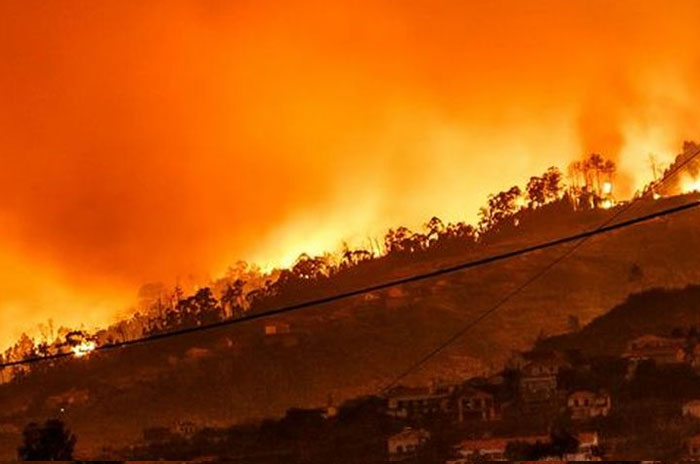
Croatia’s weather service issued red alerts for several regions, including the capital, Zagreb, and the tourist cities of Split and Dubrovnik. On the Adriatic island of Vis, dozens of firefighters, backed by four aircraft, battled a wildfire burning through pine forests 35 miles southwest of Split. The fires were triggered by lightning as violent storms followed the heat wave.
Much of the Balkans also remained under extreme heat, with temperatures above 95°F forecast across parts of Croatia, Serbia, Romania and Hungary.
.
Wildfires in France force evacuations
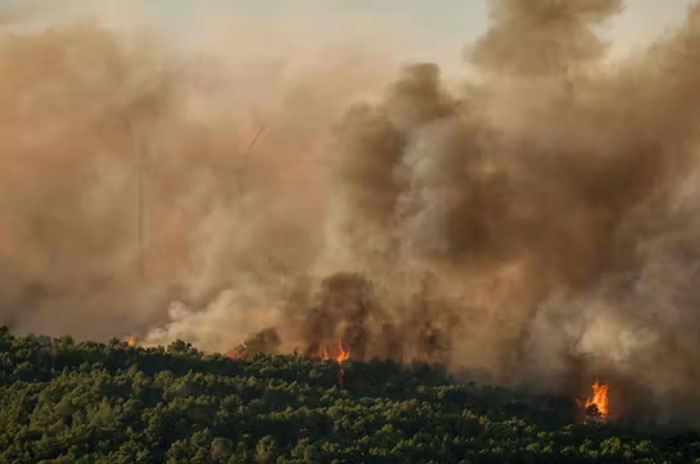
A large wildfire raged in southern France on Wednesday, July 1, forcing scores of people to be evacuated, emergency services said. Hundreds of firefighters mobilized to battle the blaze in the Hérault and Aude departments, fueled by drought and strong winds….