You can’t see a disaster coming when you turn a blind eye
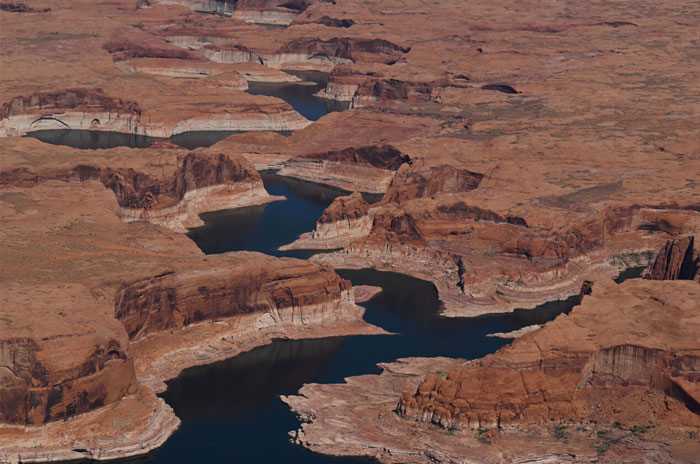
Western snow drought morphs into extended water crisis
Unless you live in the West, it would be easy to miss the fact that the states within the Colorado River Basin are battling for their regional allotments in the culmination of a slow moving disaster decades in the making. Kicking the crisis into overdrive is the current record low snow water equivalent in the states of Arizona, Colorado, Idaho, Nevada, New Mexico, Oregon, Utah, and Wyoming. The Colorado River Basin is forecast to produce less than 30% of its average runoff and experienced its warmest March on record. California’s river basins experienced their driest March.
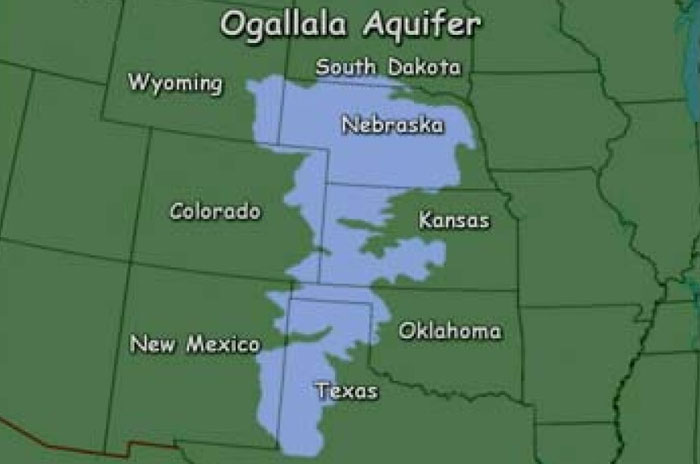
Ogallala aquifer continues to fail as use exceeds replenishment
The Ogallala Aquifer is one of the largest groundwater reservoirs in the world, underlying parts of eight Great Plains states from Texas to South Dakota. It supplies water for about a quarter to a third of U.S. irrigation and supports a major share of American grain, cotton, and livestock production. Large-scale pumping for irrigation since the 1950s has removed water much faster than natural recharge can replace it. On average, groundwater levels have fallen substantially, with some areas experiencing declines exceeding 200 feet and localized declines of more than 300 feet.
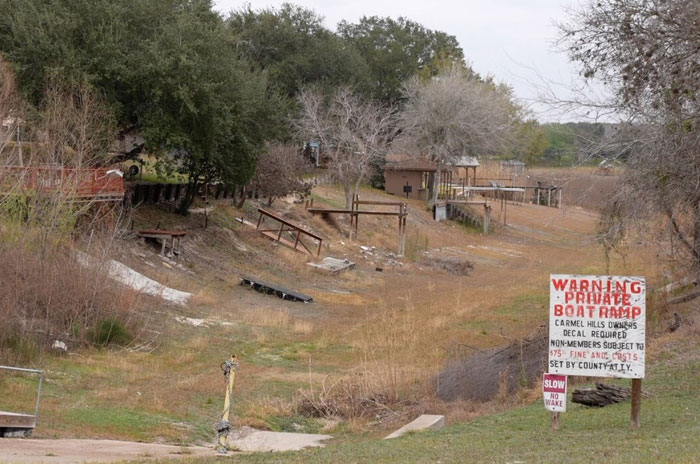
Corpus Christ can’t seem to face its water crisis
Seven straight years of record heat, sporadic rainfall and incompetent leadership has the Texas oil hub in danger of becoming the first U.S. city to run short of water.
YOU CAN’T DRINK OIL, CAN YOU? In addition to the prolonged drought, one of the primary drivers of demand for water is….Rapid growth in industrial water demand, especially from refineries, petrochemical plants, and facilities tied to the Port of Corpus Christi.