Ocean acidification reaching dangerous levels
On a human life scale, the effects are irreversible and catastrophic
Ocean acidification is the long-term drop in seawater pH caused by the ocean absorbing excess atmospheric CO₂.
Since the Industrial Revolution, the surface of the ocean has become roughly 30% more acidic. The rate of change is far faster than previous natural changes documented in the geological record.
Ocean acidification has consequences far beyond the seas
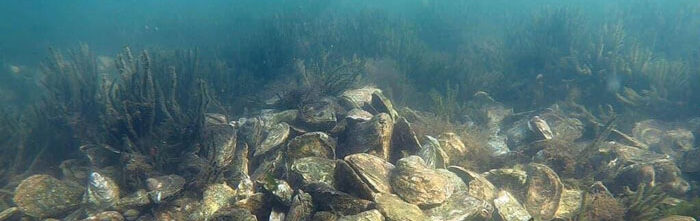
1. Damage to shell-forming animals: Increasing acidity reduces the availability of carbonate ions that corals, oysters, clams, and some plankton need to build calcium carbonate shells and skeletons. Their shells may grow more slowly or become weaker.
2. Disruption of marine food chains: Tiny marine organisms such as plankton, are affected by acidification. These organisms are food for fish and other animals, so declines in populations can disrupt the entire marine food web.
3. Loss of marine biodiversity: Many species struggle to survive or reproduce under more acidic conditions.
4. Damage to coral reef ecosystems: Weakened coral growth makes reefs less able to recover from damage. Coral reefs provide habitats for many marine species and protect coastlines from waves and storms.
5. Threats to fisheries and food supplies: Changes in shellfish populations, fish behavior, and marine food webs reduce catches and affect communities that depend on seafood for food and income.
6. Economic losses: Fisheries, aquaculture, and tourism suffer when marine ecosystems become less productive or attractive to visitors.
7. Reduced resilience to other environmental stresses: Acidification can combine with warming oceans, low oxygen levels, and pollution, making it harder for marine organisms to survive environmental changes