THE NEPAL GLACIERS WILL FLOOD AGAIN. AND SO WILL HUNDREDS OF OTHERS.
This Himalayan mega catastrophe is one extreme incident in a global warming trend that also includes permafrost thaw (and its stunning consequences) in the Arctic, Glacier Lake Outburst Floods (GLOF) across all Alpine regions and the literal destabilization of entire Swiss mountainsides, leading to rock slides that take out entire villages in first world nations.
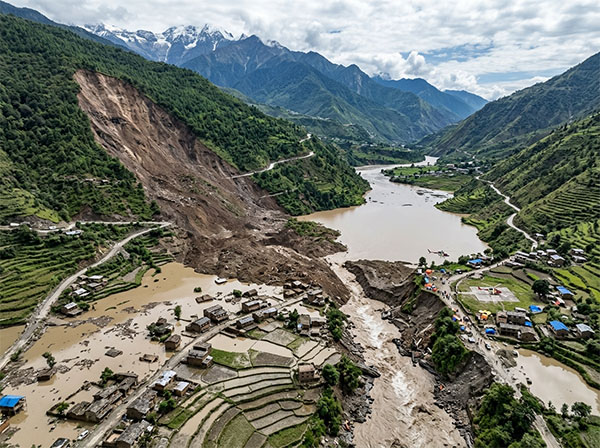
A 160 Ft high wall of mud, water and debris crashing down the valley at 45 MPH. Think about that.
DEATH TOLL: 1,280 | MISSING: 5,620
The staggering scale of the deadly collapse of Himalayan mountain glacier and rock is getting plenty of media attention, primarily because of the dramatic destruction-and-death visuals that draw humans to their screens. Unfortunately, the epic scope of planetary heating’s role in these events is underplayed in most reporting as corporate media remains timid about realistically engaging with an uncomfortable topic. The connection with related trends and events in other parts of the world is largely missing.
This mega disaster was caused by global warming
Strictly speaking, this specific glacial flood can’t be directly attributed to global warming in terms of formal cause and effect. The immediate trigger was the collapse of glacier, rock and ice on the north slope of Langtang Lirung, which generated a huge debris flow followed by catastrophic flooding downstream. Nevertheless, there is virtually no question that planetary heating and its amplified effect at higher altitudes made the overall mountain environment unstable. This is a particularly alarming iteration of a complex global phenomenon. It’s all about the ice (see below).
The key take-away is: this is not an isolated incident. It is not a one time event. Similar scenarios have increasing in frequency in mountainous regions everywhere. Each year brings more GLOFs, rock slides and collapses with magnified catastrophic results.
The Nepal disaster was a cascade of climate-sensitive occurrences:
1. Global warming is shrinking and destabilizing Himalayan glaciers.
The Himalayas are warming rapidly. Glaciers have been losing mass, exposing rock and altering the stresses acting on mountain slopes. The Langtang region has experienced particularly substantial glacier loss, also called glacial retreat.
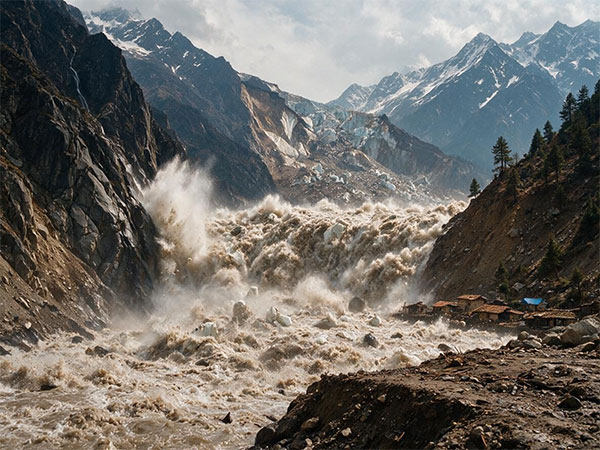
The floods that devastated a hundred mile long area in Nepal were the end result of a chain reaction that originated high in the Himalayas. A massive landslide in an upstream mountain pass wiped out a large chunk of land and glacial ice. The event caused the energy equivalent of a 5.2 earthquake, registered on seismographs around the globe. Thousands of people will die.
2. Permafrost is thawing.
At high elevations, ice within fractured rock acts like cement. When temperatures rise, that ice melts and water penetrates the cracks. The result is a progressive weakening of cliffs and mountainsides. Scientists investigating the August 26 collapse specifically point to melting permafrost and glacier retreat as contributors.
3. Weakened slopes suddenly fail.
At Langtang Lirung, a huge section of rock and ice apparently collapsed. The material crashed into the valley and river system, creating an enormous debris flow.
4. The debris flow transformed into a catastrophic flood.
The avalanche of rock and ice temporarily obstructed waterways and sent enormous quantities of water, mud and boulders downstream. River levels reportedly rose by as much as 30 feet in about 30 minutes.
..
THIS IS NOT AN ISOLATED INCIDENT
Rapid warming is changing the historically frozen ground and glaciers that helped stabilize Alpine slopes.
A major 2026 scientific study of 8,607 climate-related landslides in the eastern Himalayas found a striking pattern: the annual volume of landslides at elevations above 10,000 feet increased fivefold over the previous three decades. Incidents of landslides and rock falls have been migrating upward as glaciers retreat and permafrost melts.
Another study modeling landslide processes in the northern Himalayas estimated that, during 1991–2019, landslides were driven by a combination of rainfall (~38%), permafrost thaw (~33%), and glacier/snow melt (~29%). The researchers project that future warming will increase landslide triggering, through increased rainfall and permafrost thaw.
The ice goeth, Man: The mostly unknown consequences of global ice collapse
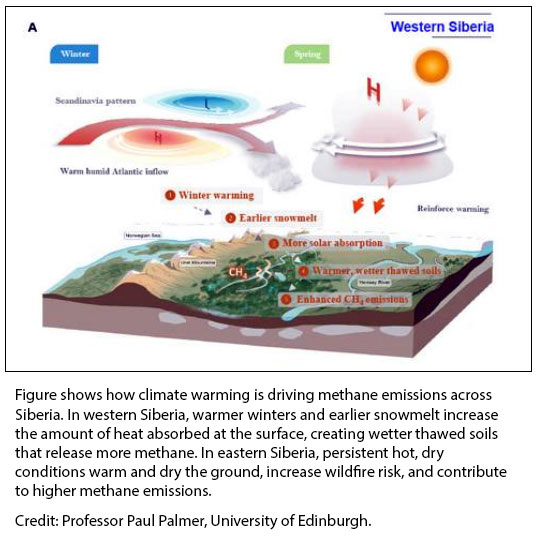
Arctic perma (?) frost thaw
THE GLOBAL EFFECTS OF PERMAFROST THAW IN ARCTIC REGIONS are numerous and underreported. The region is warming twice as fast as the rest of the planet.
1. Methane release from beneath the once frozen tundra of Arctic regions has doubled in the past ten years. The powerful greenhouse gas had been trapped; now it isn’t. This phenomenon is driving one of the most powerful and probably irreversible climate feedbacks.
2. Collapsing infrastructure: The very ground beneath our mukluks has become unstable as buildings, roads and other infrastructure built on once solid ground fails. In places, grasslands are becoming wobbly as the substrate melts.
3. Megaslump craters blasting out all over. These wacky formations (also known as thaw slumps) are not new, but suddenly they are growing and multiplying in Siberia. Megaslumps include land formations such as the ever-expanding Hell’s Gate crater in Siberia and thermotarga landscapes.
4. What lurks below? Permanently frozen environments are natural reservoirs for microorganisms, including viruses, bacteria and humans pathogens. It is not currently considered likely that dangerous microbes such as smallpox are about to be released into the world, but there is no question that dormant viruses will be emerged as the Arctic continues to heat up. There was indeed an anthrax outbreak in Siberia in 2016. The trigger of the outbreak was ascribed to the activation of spores as permafrost thaw was accelerated during the summer heat wave of that year.
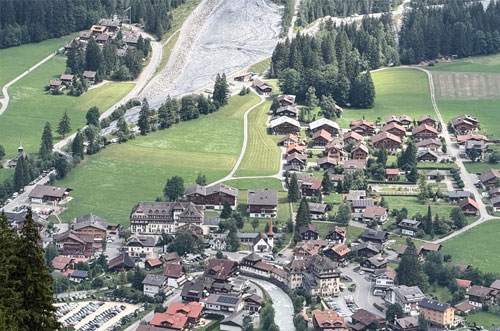
Increased rock slides on destabilized mountainsides as ice “glue” melts.
The exceptionally hot summer of 2026 in the Alps has been marked by a record number of rockfalls, – some of them fatal – with a large majority attributable to the climate crisis. The cause is the rapid thaw of the ice or glue embedded in the rock face of mountains, which has held the slopes secure for millennnia. This year is on pace to smash existing records, both frequency of rockfalls and the sheer volume of rock breaking away from the mountains on an almost daily basis. The total is expected to hit 450 events. A few decades ago, the expected number was a few dozen. Link here for more.
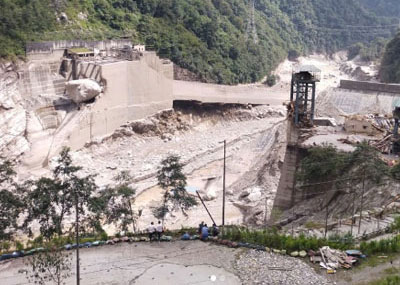
Glacial Lake Outburst Floods increase globally, threatening civilization downstream
GLOFs are not new, but their incidence in ticking up as Alpine regions destabilize. This includes regions from Pakistan to Alaska to Europe.As glaciers retreat. the lakes as their end points expand behind moraine barricades or dams. When they fail, they release hundreds of billions of gallons of water, carrying rock and debris as they cascade down valleys and passes. Virtually every glacier on the planet is melting, most very rapidly. For example, glacial lake flood outbursts have become an annual event near Juneau Alaska.
2 thoughts on “The Nepal geo catastrophe is a devastating preview of Now”