Siberian methane emissions have doubled in a decade: new UK research
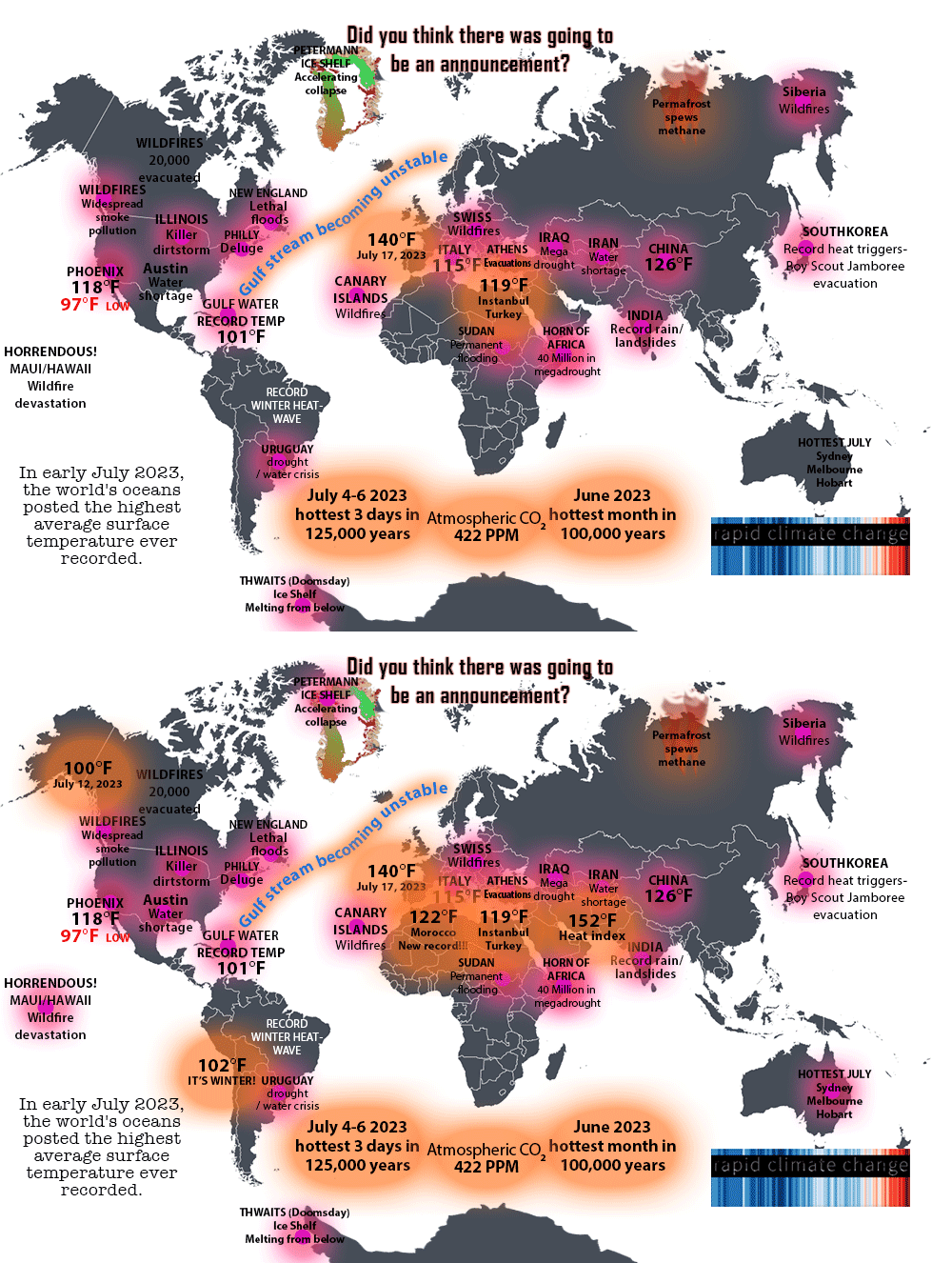
Melting glaciers and thawing permafrost are opening pathways for ancient methane gas to be released—a feedback loop caused by global warming. These methane emissions are now out of human control. Once this release mechanism has been triggered, we can neither stop it nor reverse it.
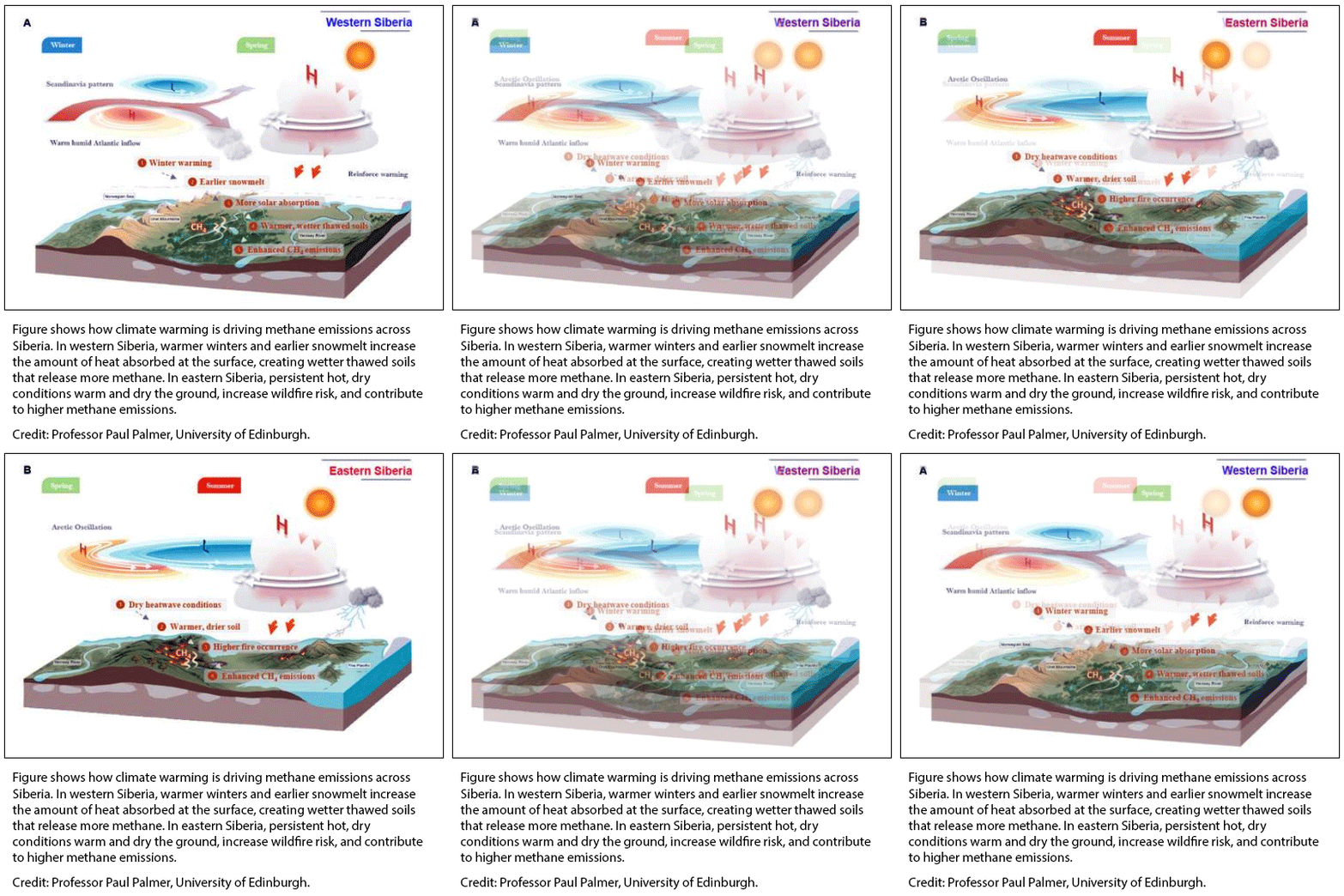
In western Siberia, warmer and wetter conditions are boosting methane production in wetlands
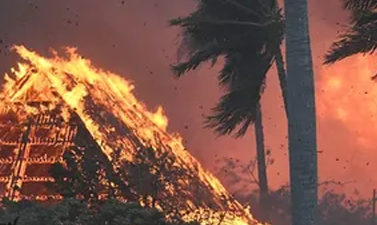
In eastern Siberia, hotter and drier conditions are fueling wildfires, which release methane and further destabilize the tundra ecosphere.
Methane emissions from Arctic Siberia have more than doubled over the past decade, according to new research co-led by scientists at the University of Edinburgh’s National Centre for Earth Observation (NCEO). The international research team analyzed satellite and atmospheric data spanning 2010 to 2023. They found that methane emissions across Siberia have been rising by around 5% per year, with emissions during the summer growing season now more than twice as high as in 2010.
This alarming report was released August 6 2026. Much of this RCC article is taken from that source. While the science is complex, the cause is not that complex: permafrost is thawing rapidly, releasing CH4 that had been trapped for millennia.
Ignored by almost all corporate media, CH4 is a far more potent greenhouse gas than CO2
The focus on CO2 as the primary greenhouse gas is accurate as far as it goes. But in terms of major threats to the future of the planet, the CH4 molecule represents an additional unknown factor contributing to the speed of warming. While misinformation specialists can make CO2 sound benign or even beneficial, applying that argument to methane is far less credible: Methane blows up, carbon dioxide does not. Methane is a particularly potent greenhouse gas, trapping significantly more heat than carbon dioxide over short time periods and is an emerging major contributor to global warming still flying under the radar.
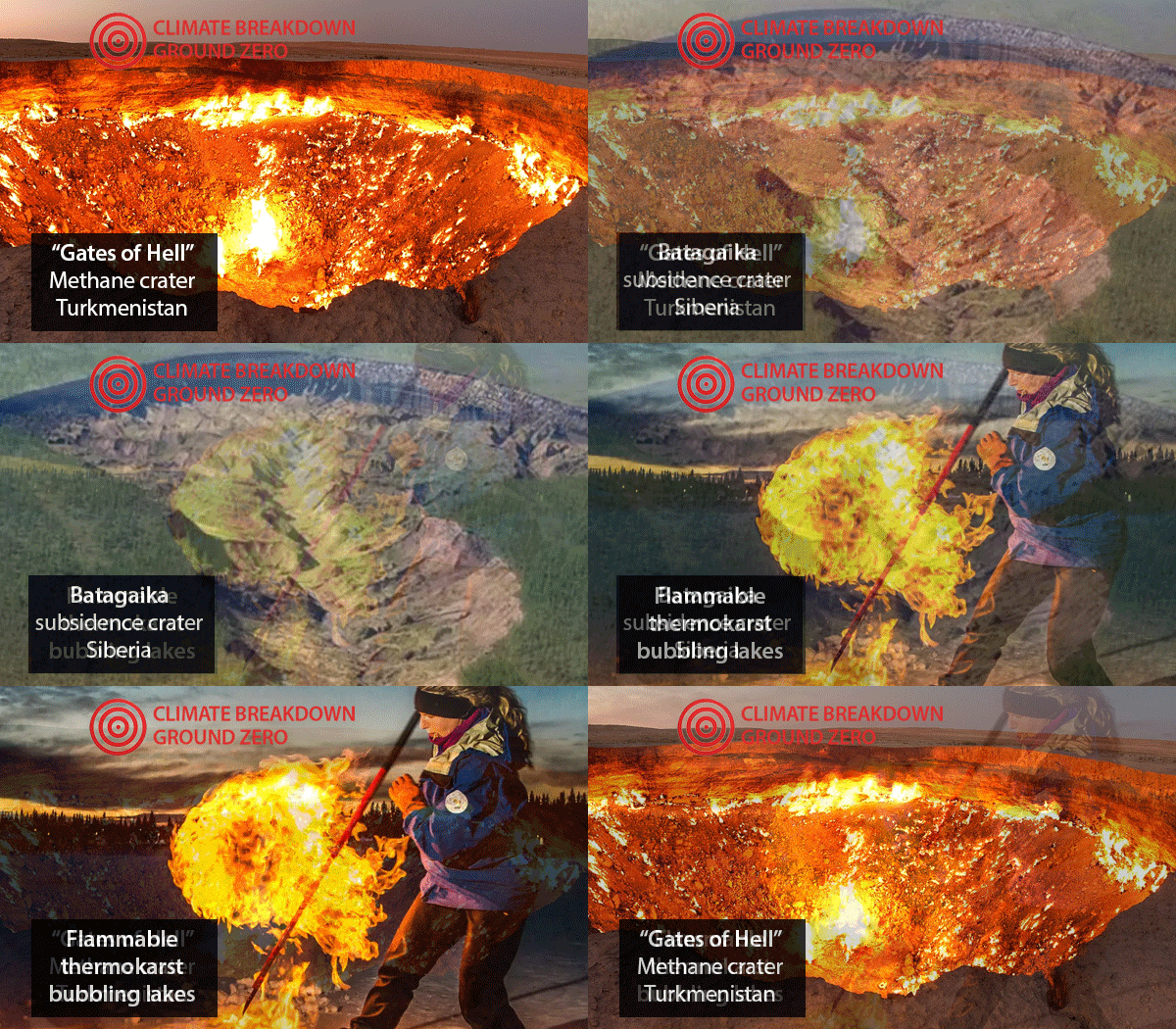
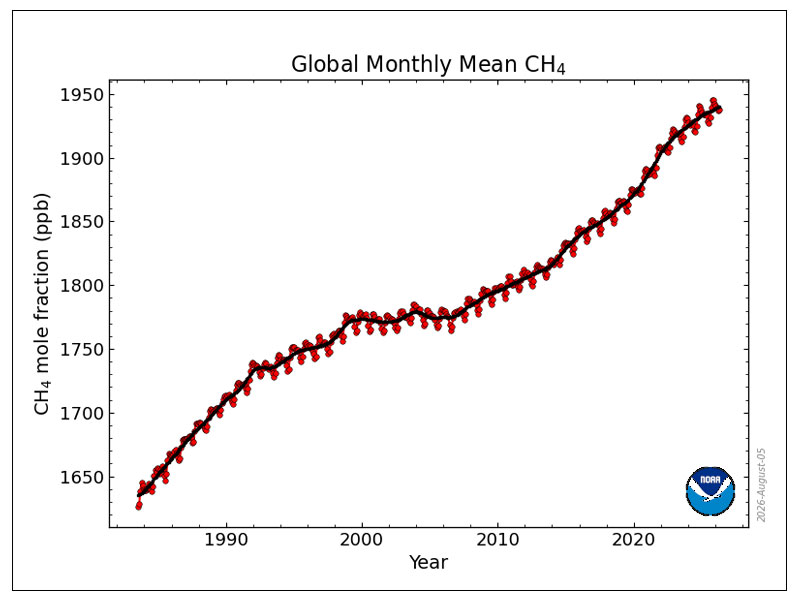
It’s not just Siberia: Global methane levels are still surging
Methane has always occurred naturally, but human-caused sources have increased exponentially as civilization exands. One of the surprising origins are wetlands, which are now producing
Atmospheric methane reached about 1,936.6 parts per billion (ppb) in 2025, roughly 2.66 times its preindustrial concentration. NOAA researchers report that methane growth averaged about 7.8 ppb/year during 2023–2025, compared with an extraordinary 15.2 ppb/year during 2020–2022.
Methane release concentrations are not presently accelerating as they did around 2020–2022, but they remain at record levels, and the underlying global methane emissions problem remains serious.
“While misinformation specialists can make CO2 sound benign or even beneficial, applying that argument to methane is trickier. Because Methane blows up.”
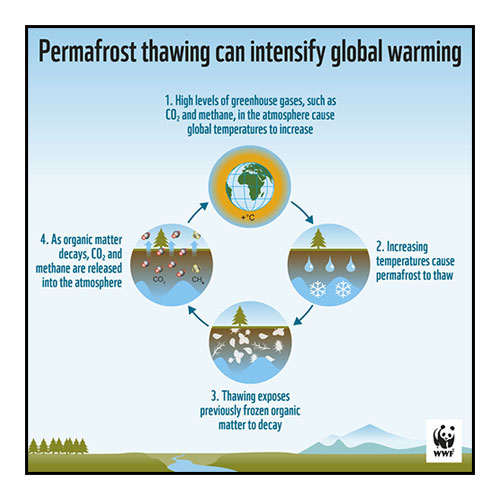
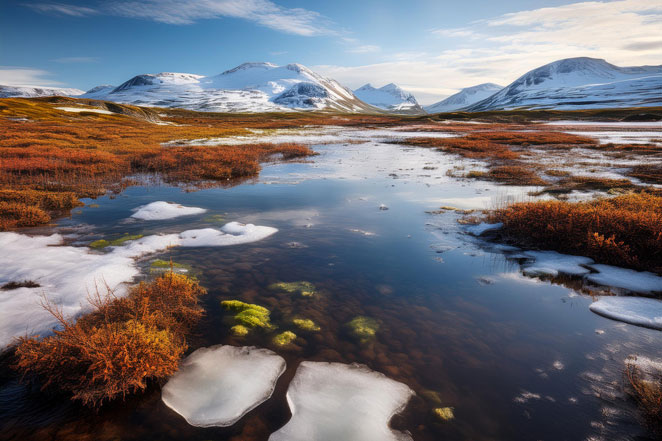
A relentless feedback loop: As Arctic permafrost thaw accelerates, more CH4 is released into the atmosphere, which warms the planet further, which melts more permafrost, etc. etc.
Casual followers of climate collapse science are familiar with feedbacks such as albedo and wildfire cycles, but the permafrost collapse sequence is not necessarily obvious until you hear an explanation. Then you can’t unhear it.
Scientists are not yet certain how damaging this cycle could become, but it raises the risk of both long-term and very sudden short term consequences. Over time, the Arctic could shift from storing carbon in frozen ground to releasing increasing amounts into the atmosphere.
Thawing permafrost can release both newly generated methane and ancient methane/carbon already stored in the frozen ground.
Don’t confuse “total accumulation” with “rate of increase.”
This is how they do it: Atmospheric methane reached a record 1,936.6 parts per billion (ppb) in 2025, roughly 2.66 times its preindustrial concentration. NOAA researchers report that methane growth averaged about 7.8 ppb/year during 2023–2025, compared with a frightening 15.2 ppb/year during 2020–2022.
The quantity of methane spewed into the atmosphere the past few years has declined (temporarily). The misinformation gang characterizes this as good news: as if it has reversed or stopped. We are emitting less, but we’re still emitting. The quantity of accumulated methane continues to rise. It has risen more slowly the past year or so, but there is more CO2 in the atmosphere each year. It is still rising.
The slowing of the rate of increase is likely to be temporary. considering the powerful feedback loop at work here. See the column to the left.
It’s not science fiction if it’s real. How much methane is down there, and what else is lurking?
Scientists estimate permafrost buried beneath the Arctic Ocean holds 60 billion tons of methane and 560 billion tons of organic carbon — making it a major source of greenhouse gases not currently included in climate projections.
WETLANDS GENERATING MORE CARBON: Most methane emissions come from human activity – including from the fossil fuel industry, landfill sites and agriculture. However, 40% of methane emissions are from natural sources but with a big caveat: Wetlands have become the world’s largest natural source of methane emissions with alarming increases reported in the past few years. The reason is that these ecosystems give off more carbon dioxide and methane as they heat up, accelerating decomposition.
MICROORGANISMS RELEASED Permanently frozen environments are natural reservoirs for microorganisms, including viruses, bacteria and humans pathogens. Most of these theoretically disappeared thousands of years ago, locked in the ice of glaciers and permafrost plains. So far, these are mostly dormant, but there was a well-documented anthrax outbreak in 2016 in Siberia. It killed thousands of reindeer. The cause of the outbreak is attributed to the activation of spores due to a permafrost thaw, accelerated during the summer heat wave of that year.

Permafrost contains almost twice as much carbon as the atmosphere, with ~20 Gigatons of permafrost-associated methane trapped in methane clathrates.
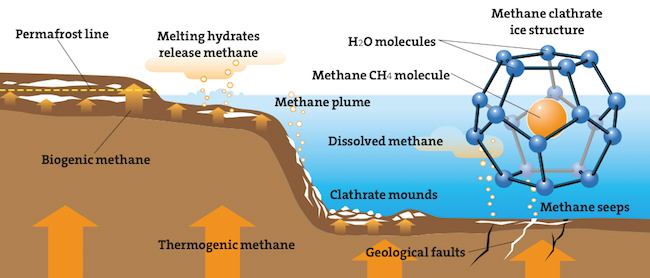
Potentially game changing Fire Ice (clathrates) factor beneath the sea
Additional Rapid Climate Change Articles
Previous stories on methane and permafrost.
University of Edinburgh report